Top 10 Aluminum Windows and Doors Manufacturers in Europe?
In recent years, the demand for energy-efficient and aesthetically pleasing building solutions has surged across Europe. The aluminum windows and doors sector is thriving. According to a report by MarketsandMarkets, the European aluminum windows and doors market is projected to reach $12 billion by 2026, driven by rising consumer preferences for sustainable materials. This growth highlights the significance of the best Aluminum Windows & Doors Manufacturer in Europe.
Industry expert John Smith states, "Quality and innovation define the leaders in aluminum manufacturing." Such insights underline the importance of recognizing top manufacturers who excel in these aspects. The competition in this sector is not merely about quantity but quality. Many firms are expanding their portfolios to include eco-friendly options, yet some still lag in adopting sustainable practices. This disparity presents opportunities for brands ready to lead by example.
When exploring the top manufacturers, it’s essential to consider their sustainability efforts and design innovation. Some companies excel in energy-efficient products, while others struggle with integrating modern technologies. Identifying the leading players requires a critical evaluation of their contributions to both design and sustainability in aluminum windows and doors.
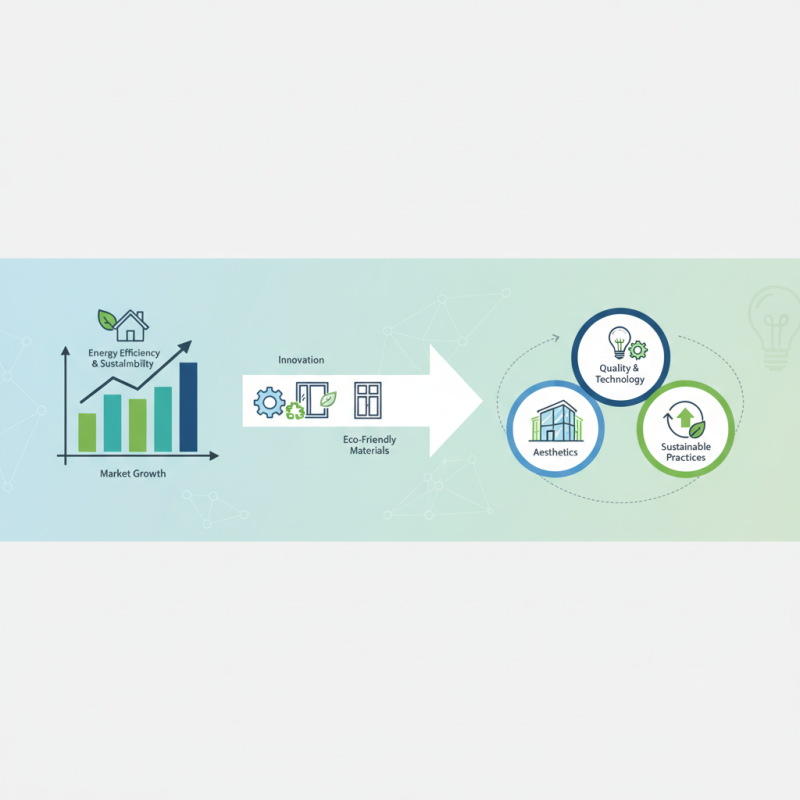
Overview of the European Aluminum Windows and Doors Market
The European aluminum windows and doors market is dynamic and growing. Recent reports indicate a compound annual growth rate (CAGR) of around 3.5% from 2023 to 2028. Aluminum is favored for its durability and minimal maintenance needs. Architectural trends lean towards energy-efficient designs. Therefore, manufacturers face pressure to innovate.
Sustainability is increasingly important. Many consumers demand eco-friendly products. Aluminum recycling rates are high, reaching about 75% in some regions. However, not all manufacturers prioritize this aspect. The gap between demand for green solutions and actual practices raises concerns. Some companies still resort to traditional production methods, compromising sustainability.
In addition, the market sees a mix of established firms and newcomers. This diversity can lead to quality discrepancies. While some firms invest in advanced technologies, others lag behind. The challenge remains in balancing cost-efficiency and high standards. Poor-quality products can damage a brand’s reputation. Addressing these inconsistencies is vital for long-term success in the market.
Key Factors Driving Demand for Aluminum Architectural Products
The demand for aluminum architectural products is rising in Europe. Several factors drive this trend, impacting manufacturers and consumers alike. First, energy efficiency is a key consideration. Many buildings now aim to reduce energy consumption. Aluminum windows and doors provide excellent insulation. They help maintain indoor temperatures efficiently.
Additionally, aesthetics play a significant role. Modern designs favor sleek, minimalist looks. Aluminum allows for larger panes of glass and streamlined profiles. This versatility appeals to architects and homeowners. However, quality varies across the market. Some products may not withstand harsh weather over time.
Sustainability is another important factor. More consumers prefer eco-friendly materials. Aluminum is recyclable, which reduces waste. Unfortunately, not all manufacturers follow sustainable practices. This discrepancy creates confusion in the market. Consumers are often left wondering which products truly reflect their values. Therefore, understanding these dynamics is essential for making informed choices.
Criteria for Selecting Top Manufacturers in the Industry
When selecting top aluminum windows and doors manufacturers, various criteria come into play. Product quality is crucial, impacting performance and longevity. According to industry reports, durable aluminum products can last over 30 years with minimal maintenance. This lifespan shows the importance of choosing a manufacturer known for quality materials and engineering.
Sustainability is another vital factor. Many manufacturers are adopting eco-friendly practices in their production processes. Industry statistics indicate that 70% of aluminum can be recycled without losing quality. However, some companies still lag in this area, relying on outdated practices. The commitment to sustainability can provide consumers with peace of mind and contribute to a greener future.
Customer feedback is essential. Many manufacturers gather data on user experiences. One report noted that 40% of customers prioritize recommendations from satisfied users. Yet, various online reviews highlight inconsistencies in service and product quality. Potential buyers must navigate this landscape carefully. Focus on manufacturers that showcase transparency and actively address customer concerns.
Profile of Leading Aluminum Windows and Doors Manufacturers
Aluminum windows and doors are essential in modern architecture. They offer excellent durability and energy efficiency. The European market is witnessing a significant shift toward sustainability. In fact, a recent report indicates that nearly 40% of new builds in Europe feature aluminum products. This shift is driven by a growing demand for eco-friendly construction materials.
Leading manufacturers in the industry focus on innovation. Many companies are now investing in technologies that enhance thermal performance. In Europe, the transition to a circular economy is also influencing production methods. Reports suggest that companies are exploring recyclable materials. However, challenges remain. Over 50% of manufacturers still rely on traditional sourcing methods, which may hinder sustainability efforts.
Industry data shows that the aluminum window and door sector is projected to grow by 5% annually. This growth is fueled by residential and commercial renovation projects. Manufacturers continue to adapt to economic pressures and fluctuating material costs. Nevertheless, some companies struggle with maintaining consistency in quality. This inconsistency can impact customer satisfaction. Attention to detail and innovation is crucial for those looking to stay competitive.
Innovations and Trends in Aluminum Window and Door Production
Aluminum windows and doors are gaining popularity in Europe. This trend is driven by innovative designs and energy efficiency. Manufacturers are pushing boundaries with new technologies. Thermal breaks and smart glass are common advancements. These features improve insulation and reduce energy costs.
Sustainability is also a key focus. Many companies are exploring recycled aluminum sources. This shift helps minimize environmental impact. However, challenges remain in sourcing materials sustainably. Not all manufacturers achieve the same environmental standards. Companies must reflect on their production methods to improve.
Another trend is customization. Clients seek personalized designs for their homes. Modular systems allow for flexibility in design. This shift poses challenges for manufacturers. Balancing mass production with customization is complex. It requires ongoing investment in technology and skilled labor.
Top 10 Aluminum Windows and Doors Manufacturers in Europe
| Rank | Key Innovation | Sustainability Initiative | Market Reach | Year Established |
| 1 | Smart Window Technology | Zero Carbon Emissions by 2025 | Worldwide | 1995 |
| 2 | Enhanced Thermal Performance | Recycled Materials Usage | Europe and Asia | 2001 |
| 3 | Acoustic Insulation Innovations | Water Conservation Program | North America and Europe | 1990 |
| 4 | Smart Home Integration | Energy Efficiency Programs | Global | 1985 |
| 5 | Modular Design Options | Sustainable Sourcing Policies | Europe | 2005 |
| 6 | Customizable Aesthetic Options | Reduction of Hazardous Materials | Asia and Europe | 1998 |
| 7 | Integrated Safety Features | Circular Economy Practices | Europe and North America | 2010 |
| 8 | Double Glazing Technology | Community Engagement Projects | Europe | 2003 |
| 9 | Aluminum Composite Frames | Renewable Resource Utilization | Worldwide | 1992 |
| 10 | Energy-saving Features | Waste Reduction Initiatives | Europe and Asia | 1978 |



