Essential Tips for Maintaining Lithium Batteries Safe and Long Lasting?
Lithium Batteries have become essential for powering modern technology. As the demand for electronics rises, the longevity and safety of lithium batteries are critical. According to a recent report from the International Energy Agency, the global market for lithium batteries is projected to reach $125 billion by 2025. This surge underscores the need for proper maintenance.
Dr. Emily Chen, a leading expert in battery technology, emphasizes the importance of care. She states, “Proper maintenance can significantly extend the lifespan of lithium batteries.” Regular monitoring of charge cycles and temperature can prevent common issues. Batteries thrive in moderate conditions, while extreme temperatures can lead to deterioration.
Despite advancements, many still overlook simple safety measures. Neglecting to store batteries at recommended temperatures can be detrimental. Furthermore, improper charging methods can lead to reduced efficiency. Being informed and attentive to these factors is crucial for optimal performance and safety. The challenge lies in balancing convenience with the diligence required to maintain these powerful energy sources.
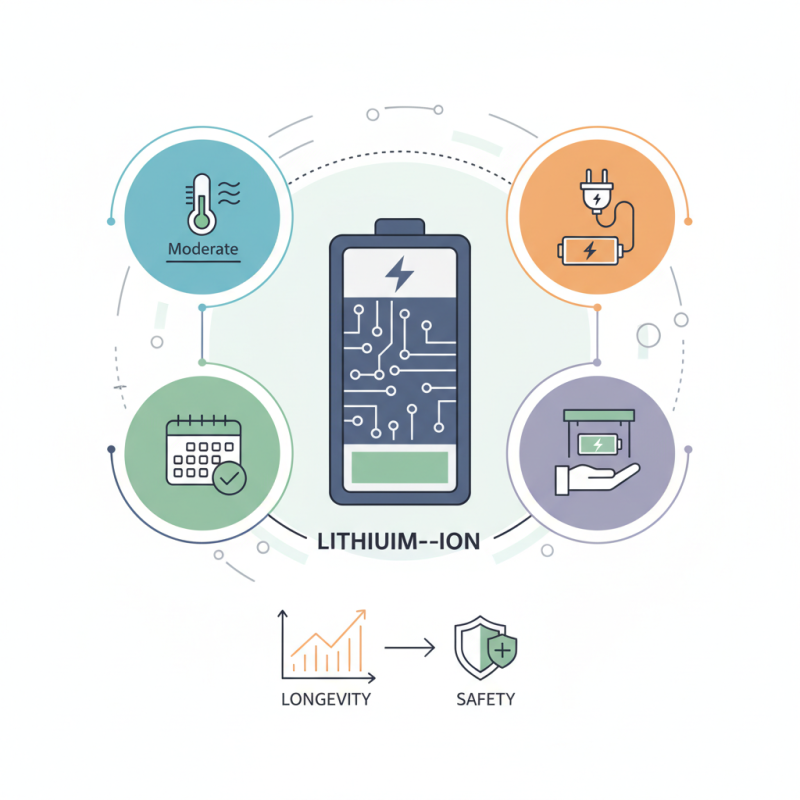
Understanding Lithium Battery Basics: Chemistry and Types
Lithium batteries have become a staple in our modern devices. Understanding their chemistry is crucial. They store energy through lithium ions moving between the positive and negative electrodes. This process involves complex reactions that enable efficient energy release. Overcharging or exposing batteries to extreme heat can disrupt this balance, leading to overheating.
There are various types of lithium batteries available. Lithium-ion (Li-ion) batteries are commonly used in smartphones and laptops. They offer high energy density and longer life. Then there are Lithium polymer (LiPo) batteries, often used in drones and RC vehicles. These are lightweight but can be quite sensitive to temperature variations.
It’s easy to overlook battery care. Neglecting regular inspections may lead to performance issues. Charge your battery between 20% and 80% for optimal lifespan. Frequent full discharges can reduce capacity. Always store batteries in a cool, dry place. Remember, even small changes can impact battery longevity. Explore your options, but don’t take your battery’s health for granted.
Optimal Charging Practices: Voltage, Current, and Temperature Guidelines
When it comes to lithium batteries, understanding optimal charging practices is crucial. The right voltage is essential for battery health. Overvoltage can cause overheating, leading to reduced lifespan. Keeping the charging voltage within the manufacturer’s recommendations is vital. For most lithium batteries, this is typically around 4.2 volts. Monitoring consistently helps in avoiding potential issues.
Current is another significant factor to consider. Charging at too high of a current can strain the battery. It may lead to swelling or even failure. A standard rule is to charge at a current that is 0.5C to 1C. This means if your battery is rated at 2000mAh, aim for a charging current between 1000mA and 2000mA. Always assess how your battery responds to different currents.
Temperature plays a role as well. Li-ion batteries perform best between 20°C and 25°C. Charging in extremely cold or hot conditions can diminish performance. For instance, charging at 0°C can damage the battery. It can lead to lithium plating, which shortens lifespan. Taking these factors seriously promotes safety and longevity, but sometimes we overlook them. Regular checks can make a difference.
Essential Tips for Maintaining Lithium Batteries Safe and Long Lasting - Optimal Charging Practices: Voltage, Current, and Temperature Guidelines
| Parameter | Recommended Value | Explanation |
| Voltage | 4.2V | The maximum voltage for optimal battery performance without damage. |
| Charging Current | 0.5C - 1C | Expressed as a multiple of the nominal capacity; 1C means charging at the battery's full capacity in one hour. |
| Charging Temperature | 0°C to 45°C | Ideal temperature range to prevent thermal runaway and ensure battery safety. |
| Discharging Temperature | -20°C to 60°C | Operational temperature range during discharge to maintain performance. |
| Storage Voltage | 3.7V | Optimal voltage when storing lithium batteries to maximize lifespan. |
| Cycle Life | 300-500 cycles | Expected lifespan in terms of charge-discharge cycles under optimal conditions. |
Storage Techniques for Lithium Batteries: Ideal Conditions for Longevity
When it comes to lithium batteries, proper storage is key to extending their lifespan. The optimal storage temperature for these batteries is between 20°C and 25°C (68°F to 77°F). Storing them in this range can help maintain their performance and capacity. Extreme temperatures, whether too hot or too cold, can lead to rapid degradation. Reports suggest that for every 10°C increase in temperature, the battery life can decrease by up to 50%.
Tip: Avoid direct sunlight or heat sources. This simple step can protect your battery from unnecessary stress. Additionally, ensure that the battery is charged between 30% and 70% before long-term storage. Storing lithium batteries fully charged or empty can also harm their health over time.
Use a cool, dry place for storage. Humidity can lead to corrosion, while fluctuating temperatures can cause stress. Keep them away from damp areas like basements or garages. Regularly check the charge level, as extended inactivity can cause the battery to enter a deep discharge state. If the voltage falls too low, the battery may become unusable.
Tip: Inspect your batteries regularly. Small checks can prevent larger issues down the line. Remember, neglecting these tips can lead to disappointments later. Consider your storage habits to ensure your batteries last longer.
Maintenance Tips: Cycle Count Management and Deep Discharge Avoidance
When it comes to lithium batteries, managing cycle counts is crucial. Each charge and discharge cycle gradually wears down the battery. Limiting these cycles can prolong lifespan. Many users overlook the effect of excessive cycling. If you find yourself charging frequently, think twice. A good practice is to charge only when necessary, ideally between 20% and 80% capacity. This simple habit can make a significant difference.
Avoiding deep discharges is equally important. Depleting a lithium battery completely can lead to permanent damage. It’s wise to recharge before it drops below 20%. Keep an eye on usage patterns, especially for devices that drain the battery quickly. Don’t let them run flat regularly. It's easy to forget, but this habit can shorten the life of your battery. Think about setting reminders for recharging, or use smarter settings to conserve power.
Remember, battery health is in your hands. Small changes to your charging routine can enhance performance. Be mindful of the environment where batteries are stored too. Extreme temperatures can have negative effects. Reflect on your habits and adjust for better longevity. Take these tips seriously; they could save you time and effort in the long run.
Safety Precautions: Avoiding Overheating and Physical Damage Risks
Lithium batteries are abundant in our lives, but safety is crucial. Overheating is a significant risk, often resulting in battery failure or damage. According to industry reports, around 40% of lithium battery incidents stem from thermal runaway. This happens when batteries overheat, leading to combustion. Understanding this can help users take preventive measures.
One tip is to keep batteries away from high temperatures. A safe ambient temperature is between 20°C to 25°C (68°F to 77°F). Avoid leaving batteries in direct sunlight or near heat sources. Frequent checks for physical damage, such as dents or punctures, are essential. Damaged batteries are more likely to fail dangerously.
Storing batteries properly is also vital. Use original packaging or a hard case. This minimizes the risk of physical impact. A damaged battery is unpredictable, which can lead to catastrophic outcomes. The National Fire Protection Association highlights that 45% of battery fires resulted from misuse or poor storage practices. Being mindful can help maintain battery life and safety.



