What is a Rain Shower Head and How to Choose the Right One for Your Bathroom
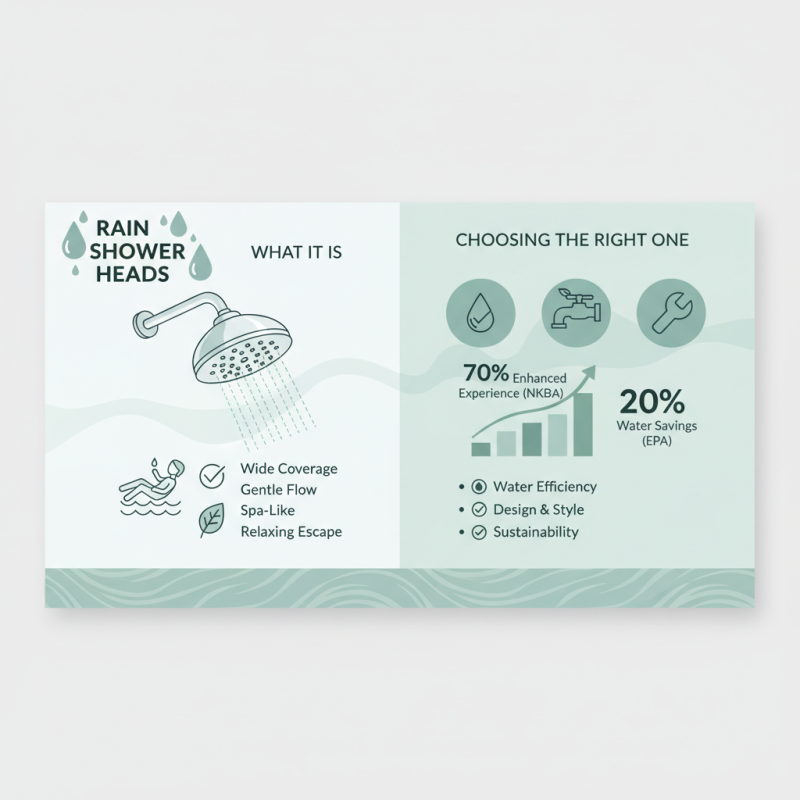
In recent years, the popularity of the Rain Shower Head has significantly increased, with more homeowners embracing its spa-like experience. According to a report by the National Kitchen and Bath Association (NKBA), nearly 70% of homeowners cite an enhanced shower experience as a primary motivation for bathroom renovations. A Rain Shower Head, known for its wide surface area and gentle water coverage, creates a soothing rainfall effect that not only transforms the daily shower routine but also offers a relaxing escape from the stresses of everyday life.
Choosing the right Rain Shower Head involves understanding various factors, including water efficiency, design aesthetics, and installation compatibility. The Environmental Protection Agency (EPA) highlights the importance of water conservation, indicating that high-efficiency showerheads can help reduce water usage by as much as 20%. As users become increasingly conscious of their environmental impact, selecting a Rain Shower Head that balances luxury and sustainability is essential. With numerous styles and technologies available, this guide aims to assist consumers in making informed choices to elevate their bathroom experience while adhering to modern standards of water conservation.
What is a Rain Shower Head?
A rain shower head is a type of shower fixture designed to replicate the sensation of standing beneath a gentle rain. Characterized by a wide, flat showerhead, it typically features multiple spray nozzles that disperse water evenly over the user. The design promotes a more immersive and soothing showering experience, transforming a daily routine into a relaxing escape. The large surface area allows for a softer, wider flow of water, creating a luxurious atmosphere reminiscent of nature.
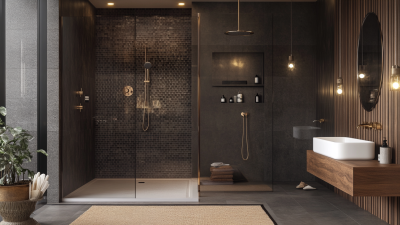
When it comes to choosing a rain shower head, considerations extend beyond aesthetic appeal. It's essential to assess the water pressure in the bathroom, as rain shower heads may require a higher pressure to function effectively. Additionally, the size and style of the shower head should complement the overall bathroom design. Options vary from wall-mounted to ceiling-mounted configurations, allowing for flexibility in installation based on available space. Moreover, selection often includes various material finishes, ensuring compatibility with existing fixtures while adding a touch of elegance to the bathroom décor.
Benefits of Using a Rain Shower Head in Your Bathroom
A rain shower head transforms your bathing experience into a spa-like retreat. Unlike traditional shower heads, which often direct water in a concentrated stream, rain shower heads mimic the sensation of rainfall with a wide, soft flow. This gentle coverage envelops the body, providing a soothing and relaxing shower experience that can help ease stress and tension. The experience can feel luxurious and invigorating, making daily routines more enjoyable.
Additionally, rain shower heads can enhance the functionality and aesthetics of your bathroom. They often come in a variety of styles and finishes, allowing you to choose one that complements your decor. The larger coverage area not only provides an immersive shower experience but can also use water more efficiently, reducing wasted water compared to some traditional shower heads. With the ability to install them at various heights and angles, you can customize the shower setup to suit your preferences, creating a personal oasis right in your own home.
What is a Rain Shower Head and How to Choose the Right One for Your Bathroom - Benefits of Using a Rain Shower Head in Your Bathroom
| Feature |
Description |
Benefits |
Considerations |
| Water Coverage |
Provides a wide area of water spray. |
Enhances the shower experience by mimicking natural rain. |
Requires adequate water pressure. |
| Size Options |
Available in various diameters from 8 inches to over 20 inches. |
Larger heads cover more surface area and provide a better experience. |
Ensure your shower space can accommodate the size. |
| Water Flow Rate |
Typically ranges from 1.5 to 2.5 gallons per minute (GPM). |
Efficient flow rates can save water and energy. |
Check local regulations regarding flow rates. |
| Finish Options |
Variety of finishes including chrome, oil-rubbed bronze, and brushed nickel. |
Enhances the aesthetics of your bathroom. |
Consider corrosion resistance and ease of cleaning. |
| Installation Type |
Wall-mounted or ceiling-mounted options available. |
Flexible options to suit different bathroom designs. |
Ensure plumbing accessibility for installation. |
Key Factors to Consider When Choosing a Rain Shower Head
When selecting a rain shower head for your bathroom, several key factors should be considered to ensure the best fit for your needs and preferences. First and foremost, the size of the shower head is paramount. Industry reports suggest that a shower head with a diameter of at least 10 to 12 inches can provide a more immersive experience, mimicking the sensation of standing in the rain. Additionally, consider the water pressure in your home; higher pressure can enhance the effectiveness of a larger shower head, while lower pressure might require a model designed to maintain a strong flow.
Another crucial factor is the type of spray pattern offered by the rain shower head. Most models provide options ranging from a gentle mist to a more invigorating rainfall effect. According to a study by the American Water Works Association, selecting a shower head with adjustable settings can save water without sacrificing comfort. A rain shower head that combines different spray modes can cater to different preferences for various showering experiences.
Tips: When choosing a rain shower head, always check for water-saving certifications, such as EPA WaterSense, which can help reduce water usage without compromising performance. Additionally, consider the installation requirements; a larger shower head may require modifications to your existing plumbing to accommodate its size and flow rate. Taking these factors into account will help you find the perfect rain shower head to enhance your bathroom experience.
Rain Shower Head Features Comparison
Different Types of Rain Shower Heads Available on the Market
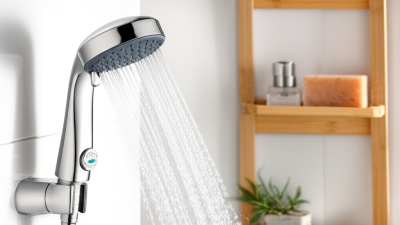
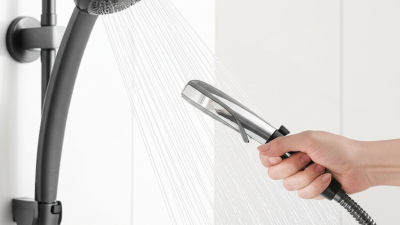
When it comes to enhancing your bathroom experience, a rain shower head can provide a spa-like atmosphere that is both relaxing and refreshing. There are several types of rain shower heads available on the market today, catering to different preferences and bathroom designs. Generally, these can be categorized into fixed, handheld, and ceiling-mounted options. Fixed rain shower heads are often larger and provide an overall full-body shower experience, while handheld models offer versatility for targeted cleaning. Ceiling-mounted units give a luxurious, open-air feel but may require a professional installation.
According to a report by the Home Improvement Research Institute, the demand for rain shower heads has surged by approximately 25% in the past two years, as homeowners increasingly seek to upgrade their bathrooms into personalized retreats. The wide variety of styles, finishes, and sizes ensures that there’s a rain shower head for every taste and space, with options ranging from simple chrome to designer finishes that suit contemporary aesthetics.
**Tips:** When selecting a rain shower head, always consider your water pressure, as many models perform optimally at a minimum of 2.5 GPM (gallons per minute). Additionally, ensure that the shower head you choose is compatible with your existing plumbing to avoid costly modifications. Lastly, taking measurements of your shower space can help you find a model that fits seamlessly within the design of your bathroom.
Installation Tips for Your New Rain Shower Head
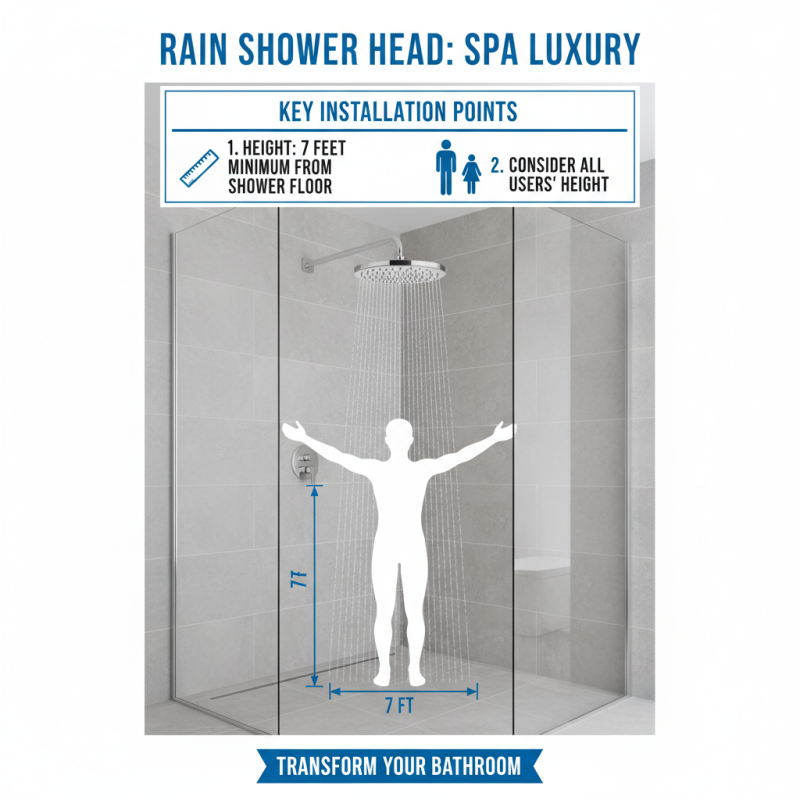
Installing a rain shower head can transform your bathroom into a luxurious spa-like retreat. To begin, it’s essential to choose the right location for your shower head. Ideally, the shower head should be positioned at least seven feet above the shower floor to ensure an optimal rainfall experience. Consider your height and the height of other users in your household when deciding on the installation height.
Before installation, gather all necessary tools, including a wrench, teflon tape, and a level. Begin by removing the existing shower head, cleaning the threaded pipe, and applying teflon tape to ensure a watertight seal. When attaching the rain shower head, use a level to confirm it’s straight, which helps prevent any awkward water angles during use. Additionally, check the water pressure in your plumbing system; rain shower heads often require more pressure to function correctly, so be prepared to adjust your home’s water system if needed.
Finally, after installation, turn on the water to test for leaks. If you notice any, tighten the connections slightly, but be cautious not to over-tighten. Regular maintenance, such as cleaning the nozzles to prevent mineral buildup, will ensure that your rain shower head remains in top condition, providing a refreshing experience for years to come.