What is an Over Head Shower Benefits and Features Explained?
The Over Head Shower has revolutionized the way we experience daily bathing. According to a recent report by the Bathroom Industry Association, 75% of homeowners report greater satisfaction with their shower experience when using a high-quality overhead option. This trend stems from a growing focus on wellness in the bathroom space. Expert James Taylor, a renowned bathroom design consultant, states, "An Over Head Shower transforms a regular bathroom into a luxurious retreat."
The benefits of an Over Head Shower extend beyond mere aesthetics. These showers provide a full-body spray, offering a more comprehensive cleansing experience. The gentle water flow can also enhance relaxation, promoting mental well-being. However, consumers must consider their water pressure, which may affect shower performance. Industry studies show that approximately 30% of households report inadequate pressure for effective showering.
With the rise of water-saving fixtures, the Over Head Shower market faces pressures to innovate. Some designs focus on aerated sprays to conserve water while maintaining a satisfying shower experience. Despite these advancements, challenges remain in balancing luxury with sustainability. As the industry evolves, understanding these nuances becomes essential in making informed choices.
Understanding Over Head Showers: Definition and Overview
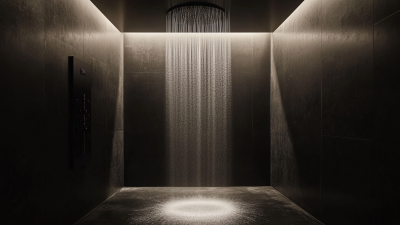
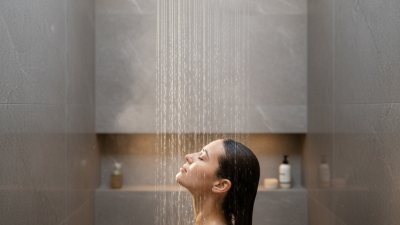
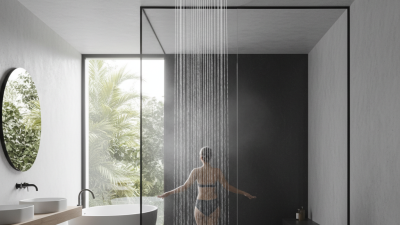
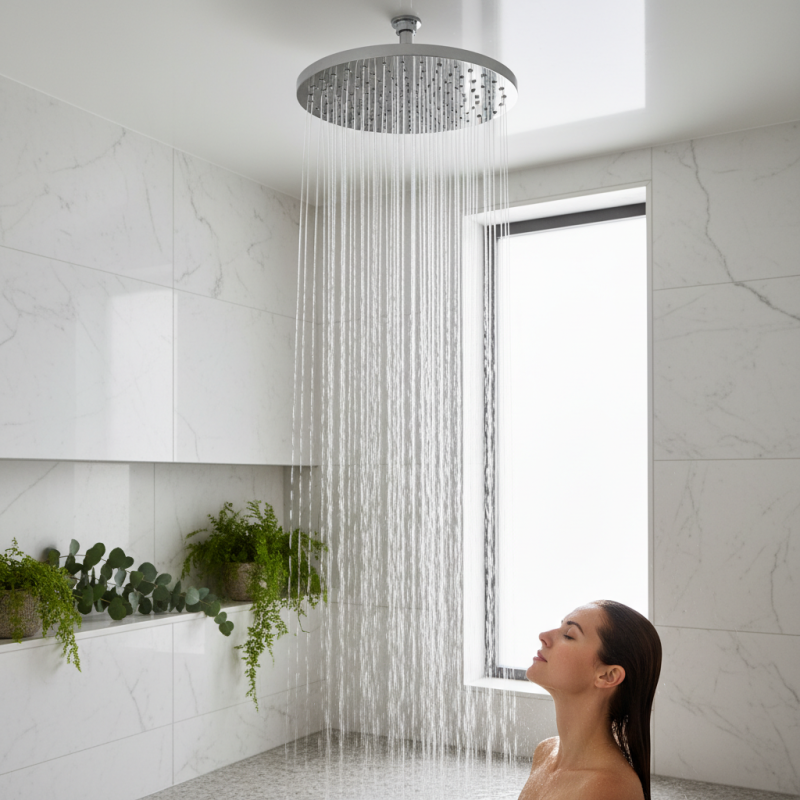
Overhead showers have become popular in modern bathrooms. They offer a unique way to enjoy a refreshing shower experience. Unlike handheld options, these showers are fixed above, allowing water to cascade down. This design mimics natural rainfall, providing a soothing sensation.
These showers often come with various features. Some have adjustable settings for different water pressure. Others include built-in LED lights that enhance the ambiance. The expansive coverage area lets water envelop your body, promoting relaxation. However, not every bathroom is equipped to handle their installation. Space constraints can limit their appeal in smaller bathrooms.
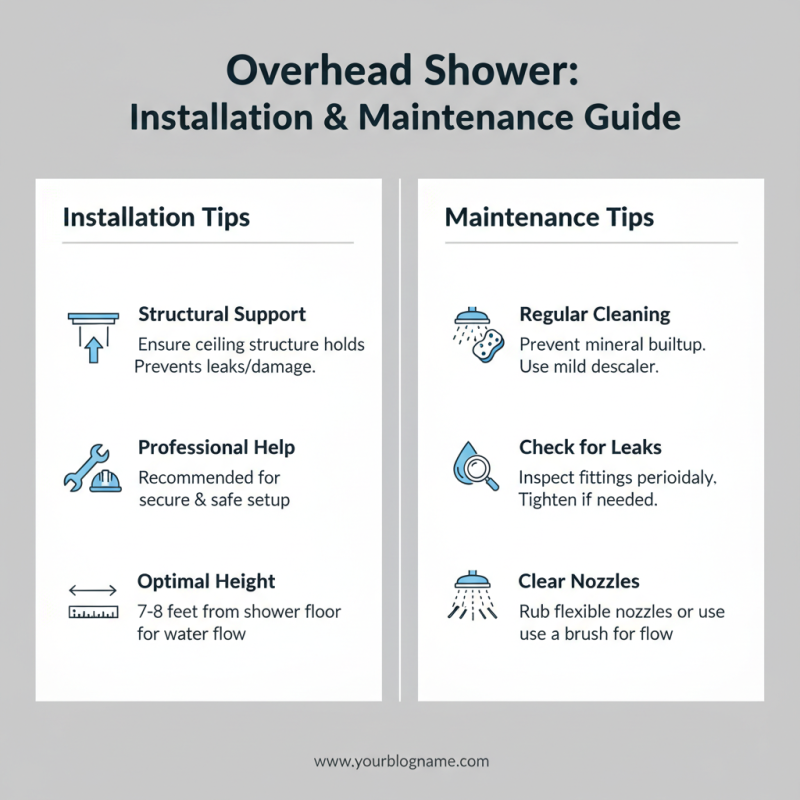
Choosing the right overhead shower involves some considerations. Water flow rate matters significantly. A powerful stream can be invigorating but waste water, leading to higher bills. Adjustable options can help strike a balance. Installation complexity may also pose challenges. Having professional assistance ensures proper setup and a leak-free experience. Reflecting on complications, it’s crucial to weigh comfort against practicality.
Key Benefits of Installing an Over Head Shower
Overhead showers bring a unique charm to your bathing experience. They offer a natural rainfall effect, which can be both refreshing and rejuvenating. When water cascades from above, it envelops your body and creates a soothing atmosphere. This angle of water flow can relieve tension in your muscles. Many find this feature enhances relaxation during a long day.
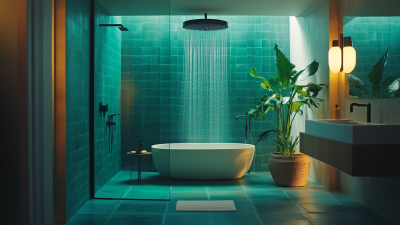
Installing an overhead shower can significantly improve your bathroom’s aesthetics. These showers come in various styles, allowing you to express your design preferences. A sleek, modern look might appeal to some, while others may prefer a more traditional design. However, space and ceiling height are considerations you need to evaluate. Not all bathrooms can accommodate such fixtures seamlessly.
Functionality is another appealing aspect. Some overhead showers offer adjustable spray patterns. This versatility lets you customize your showering experience. However, maintaining water pressure can be tricky in certain homes. It’s worth reflecting on your plumbing system and whether upgrades may be necessary. An overhead shower can elevate your routine, but you must align it with your space and needs.
Different Types of Over Head Showers Available
When it comes to overhead showers, there are several types that cater to diverse preferences and needs.
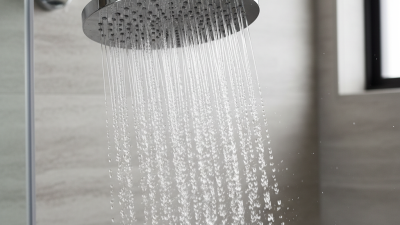
Rain showerheads, for instance, simulate a gentle rainfall. These designs often have a larger surface area and provide a luxurious experience. According to industry reports, these types have a 25% higher customer satisfaction rate than standard models. Many homeowners seek this soothing experience in their bathrooms.
Another popular option is the multi-function showerhead. These models feature adjustable settings, allowing users to switch from a powerful massage mode to a relaxing mist. The flexibility appeals to different users' needs. Studies reveal that 60% of individuals appreciate such adjustable features, enhancing their shower experience significantly.
Lastly, the handheld showerhead has gained traction for its versatility. It’s ideal for cleaning or showering children. Approximately 40% of families prefer this type due to its practicality. However, some users report challenges with water pressure and installation. These reflections highlight the importance of understanding individual needs and preferences before selecting an overhead shower type.
Features to Consider When Choosing an Over Head Shower
When considering an overhead shower, several features are vital for a satisfying experience. The design plays a significant role. Larger heads offer a rain-like effect, creating a soothing atmosphere. Look for adjustable angles; this flexibility ensures water reaches every part effectively.
Water efficiency is another key aspect. Showers with flow restrictors can conserve water without sacrificing quality. This is vital in areas prone to drought. Materials also matter. Stainless steel can resist rust and wear, while plastic may not hold up over time.
Lastly, ease of installation should not be overlooked. Some systems require complex plumbing work, while others simply mount to existing fixtures. Be prepared for potential installation challenges, and consider hiring a professional for complicated setups. Each feature contributes uniquely to your overhead shower experience, yet no single option is perfect. Take the time to evaluate your needs carefully.