Heavy Duty Slurry Pump Tips for Optimal Performance?
In the world of heavy duty slurry pumps, optimizing performance is crucial. Experts like Dr. Samuel Turner, a renowned engineer in the slurry pump industry, state, "The right practices can significantly enhance pump efficiency." This insight underlines the importance of following expert advice for better results.
heavy duty slurry pumps are integral in many industries. They handle abrasive materials and harsh conditions. Ensuring they run smoothly is not just about installation but also about maintenance and operation. Many operators overlook the need for regular checks. This neglect can lead to decreased efficiency and higher costs.
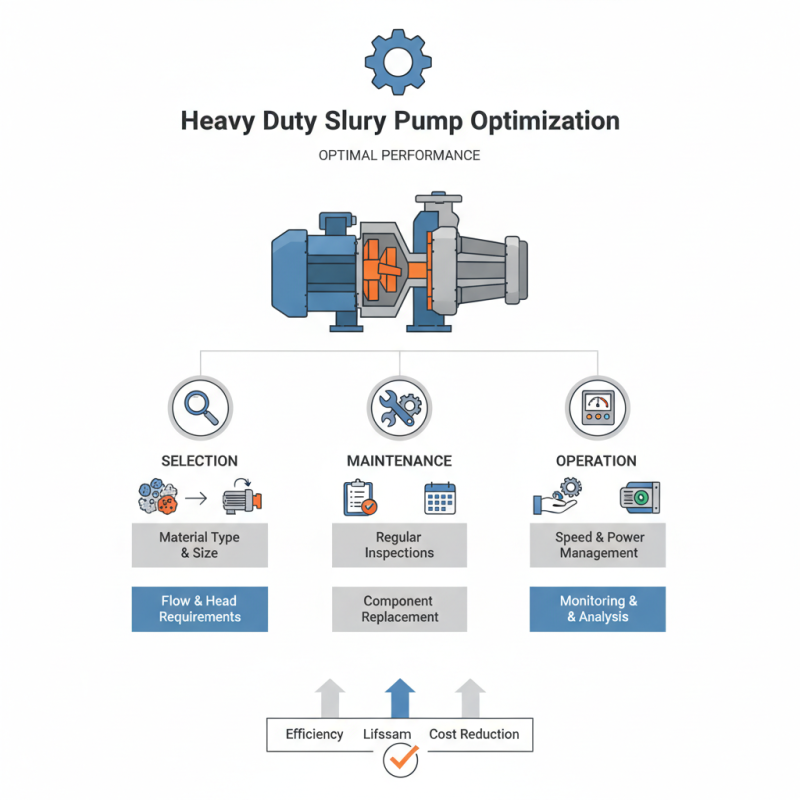
Each aspect of your heavy duty slurry pump matters. Proper selection, routine inspections, and prompt repairs can make a difference. An operator’s inattention may result in suboptimal performance or unexpected failures. It's essential to reflect on these factors for effective management.
Heavy Duty Slurry Pump Selection Criteria Based on Application Needs
When selecting a heavy-duty slurry pump, understanding application needs is crucial. Industry reports indicate that improper selection can lead to inefficiencies. Factors such as slurry composition, viscosity, and particle size must be considered. For instance, a slurry with high solids content may require a pump designed for abrasive materials.
Tip: Regularly assess the operating conditions. Slurry characteristics can change over time. A pump that works today may not be suitable tomorrow. Monitor performance metrics and adjust your selection accordingly.
Also, consider the pump's material construction. For corrosive slurries, using the right alloy is essential. A mismatch here can lead to premature wear or failure. Some industries report that nearly 30% of maintenance costs stem from pump issues.
Tip: Always consult with equipment specialists. They can provide insights based on the latest trends and technologies. Relying solely on past experiences can cloud judgment and lead to suboptimal choices.
Key Components of Heavy Duty Slurry Pumps and Their Impact on Performance
Heavy-duty slurry pumps play a crucial role in various industries, such as mining and construction. The performance of these pumps heavily relies on their key components. For instance, the impeller design significantly affects the pump's efficiency and operating life. A well-designed impeller helps in minimizing wear, especially when handling abrasive materials. According to a 2022 industry report, pumps with optimized impeller geometry can reduce energy consumption by up to 20%.
Another vital component is the pump casing. The material and thickness of the casing determine its durability and resistance to corrosion. Many slurry pumps face frequent failures due to inadequate casing materials. A study published in the Journal of Hydraulic Engineering highlighted that pumps made with high-chrome alloys had a lifespan increase of 30% compared to traditional materials. Competent inspection and maintenance practices are essential, as many users overlook these factors, leading to unexpected breakdowns.
Seals and bearings also require attention. They are pivotal in ensuring that no leaks occur during operation. Commonly, users neglect regular checks, which can lead to costly repairs. Maintaining optimal lubrication for bearings can directly enhance the performance of the pump. The hydraulic performance of a pump can degrade significantly if proper sealing measures are not upheld. It's clear that focused attention on these components can lead to substantial improvements in pump efficiency.
Maintenance Best Practices for Enhancing Slurry Pump Lifespan
Maintenance is crucial for enhancing the lifespan of heavy-duty slurry pumps. Regular inspections can help identify issues before they escalate. According to an industry report, improper maintenance can lead to a 30% reduction in pump lifespan. Routine checks for wear and tear on components are essential. Even small signs of damage should not be overlooked.
Proper lubrication is vital. Many operators skip this step, thinking it's unnecessary. However, lack of lubrication can cause premature failure. A recent study showed that pumps with consistent lubrication service lasted 25% longer. Additionally, keeping the pump’s environment clean prevents debris from entering and causing damage. Cleaning schedules should be adhered to rigidly.
Operators should also consider the operating conditions. Excessive temperature or unusual materials can greatly affect performance. A report indicated that slurry pumps operating in harsh conditions faced 40% more breakdowns. Monitoring performance metrics regularly helps in identifying potential failures early. Sometimes, the best solutions are simple, yet many overlook them. Regular training for operators ensures everyone understands the importance of maintenance.
Heavy Duty Slurry Pump Tips for Optimal Performance - Maintenance Best Practices for Enhancing Slurry Pump Lifespan
| Tip | Description | Frequency | Expected Outcome |
| Regular Inspection | Check for wear and tear, particularly on seals and impellers. | Monthly | Identify issues early to prevent failures. |
| Seal Replacement | Replace worn seals to maintain efficiency and prevent leaks. | Every 6 months | Improved sealing, reduced fluid loss. |
| Lubrication | Ensure bearings and moving parts are properly lubricated. | Quarterly | Reduced friction, longer lifespan. |
| Monitoring Vibrations | Use sensors to detect unusual vibration levels. | Weekly | Early detection of misalignment or imbalance. |
| Cleaning | Remove buildup of slurry and debris from pump components. | Monthly | Maintained efficiency and prevented clogs. |
Understanding Hydraulic Performance Curves for Slurry Pumps
Understanding hydraulic performance curves for slurry pumps is crucial for achieving optimal results. These curves illustrate how a pump performs at various flow rates, showing the relationship between flow and head. According to industry data, efficient operation typically occurs within specific ranges. For instance, pumps can operate effectively at 70-75% of their best efficiency point (BEP). When flow rates significantly deviate from the BEP, the performance dips.
Hydraulic performance curves also highlight how viscosity affects pump performance. High-viscosity slurries can reduce flow rates, impacting overall efficiency. Reports indicate that a slurry's specific gravity and particle size influence pumping behavior. If the specifics aren't considered, pumps may face cavitation or excessive wear. While curves provide a helpful guide, real-world variations often challenge these ideal scenarios. Operators must analyze real-time conditions and revisit performance curves regularly. Each operation may reveal nuanced issues that aren't reflected in standard data.
Troubleshooting Common Issues in Heavy Duty Slurry Pump Operations
When operating heavy-duty slurry pumps, various issues can arise that impact performance. Common problems include clogging, excessive wear, and vibration. Often, these challenges can be mitigated with proper troubleshooting techniques.
Regular maintenance is essential. Check for wear on the impeller and casing. Signs of corrosion should also be monitored. If you notice unusual vibrations, it could indicate misalignment or an unbalanced load. Address these issues promptly, as they can lead to more significant failures.
For optimal performance, ensure that the pump operates within its design parameters. Monitor the slurry's properties, like viscosity and particle size. Using a strainer can prevent larger particles from causing clogs. Additionally, adjust the pump speed based on the slurry characteristics to minimize wear and maintain efficiency. Regular inspection and adjustments can lead to improved reliability and extended pump life.
Heavy Duty Slurry Pump Performance Metrics