Ultimate Guide to Choosing the Best Bathroom Shower Head for Your Home
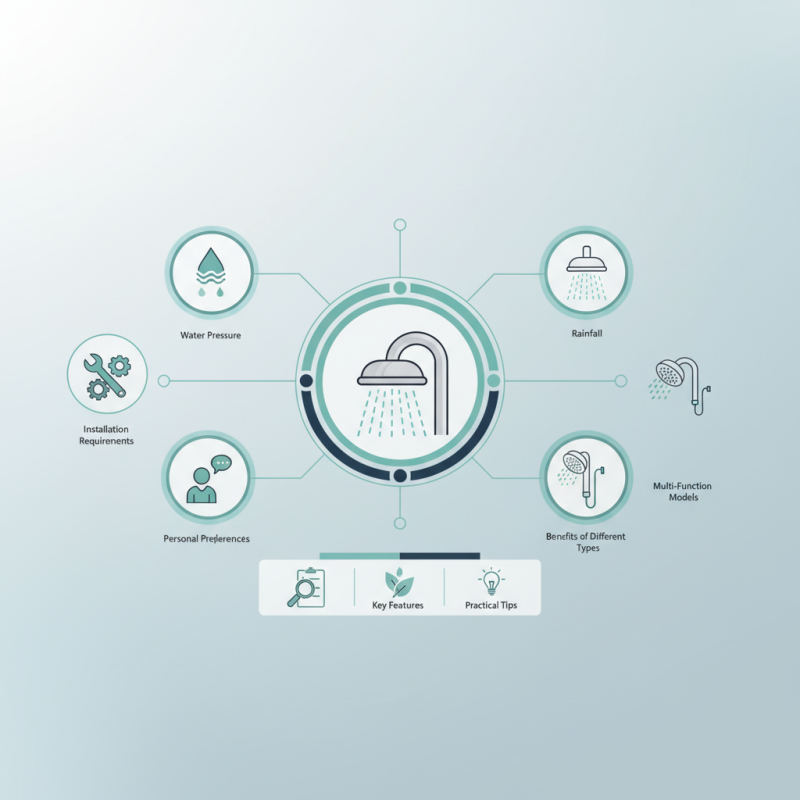
When it comes to creating the perfect oasis in your home, the bathroom shower head plays a pivotal role in transforming your daily routine into a relaxing experience. Often overlooked, the right bathroom shower head can enhance not only functionality but also the overall aesthetic of your bathroom space. With numerous options available on the market, from rainfall and handheld designs to multi-function models, selecting the best shower head is a decision that requires careful consideration of various factors including water pressure, installation requirements, and personal preferences.
In this ultimate guide, we aim to simplify the process of choosing the ideal bathroom shower head that aligns with your needs and desires. We will explore key features, the benefits of different types, and practical tips that will equip you with the knowledge necessary to make an informed choice. Whether you're remodeling your bathroom or simply upgrading your shower experience, understanding the importance of selecting a quality bathroom shower head can significantly impact your enjoyment and satisfaction in the long run. Let’s dive in and discover how to elevate your shower experience to new heights.
Understanding Different Types of Shower Heads Available for Your Bathroom
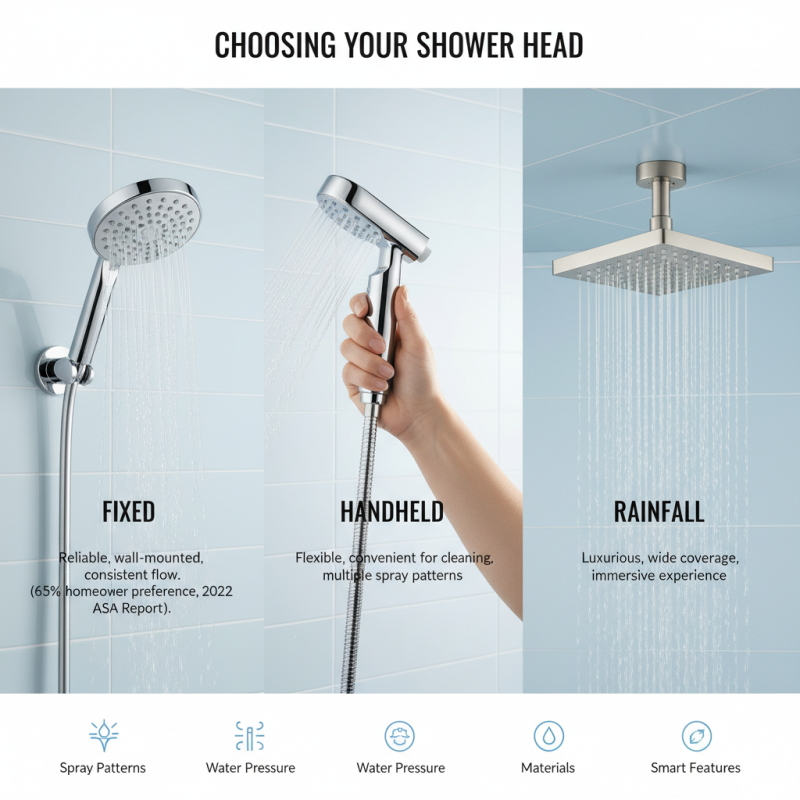
When it comes to selecting a shower head for your bathroom, understanding the different types available is crucial for making an informed decision that aligns with your needs and preferences. There are primarily three categories of shower heads: fixed, handheld, and rainfall. Fixed shower heads, often mounted on the wall, provide a consistent flow of water directly overhead. According to a 2022 report from the American Showerhead Association, approximately 65% of homeowners prefer fixed shower heads for their reliability and ease of use.
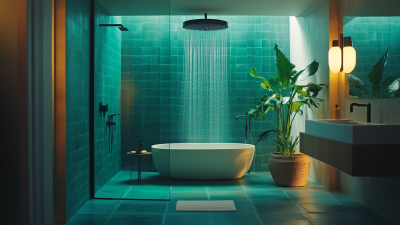
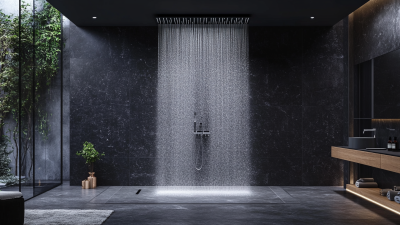
Handheld shower heads offer the flexibility of mobility, allowing users to direct water where it’s needed most, which is particularly beneficial for families or individuals with mobility issues. Studies indicate that about 30% of consumers gravitate towards handheld options, citing their convenience for bathing children or pets and ease of cleaning. Lastly, rainfall shower heads, designed to mimic the feeling of standing in a gentle rain, are gaining popularity, with about 25% of the market share. These are often preferred for their luxurious experience and aesthetic appeal, adding a spa-like quality to the bathroom.
Additionally, water efficiency is an important factor when choosing a shower head. A report from the Environmental Protection Agency indicates that low-flow shower heads can save homeowners an average of 2,900 gallons of water per year, significantly reducing water bills and environmental impact. Selecting the right type of shower head not only enhances the bathing experience but also aligns with sustainable practices, making it an important consideration for environmentally conscious consumers.
Key Features to Consider When Selecting a Shower Head
When selecting the perfect shower head for your bathroom, several key features must be taken into account to ensure a satisfying and efficient shower experience. One of the most critical elements is the water flow rate, which is typically measured in gallons per minute (GPM). The U.S. Environmental Protection Agency (EPA) recommends that shower heads use no more than 2.5 GPM, a standard that balances water-saving efficiency with adequate pressure. Choosing a shower head that meets this standard can lead to substantial water conservation; according to a report by the Alliance for Water Efficiency, utilizing low-flow shower heads can save a household over 2,300 gallons of water annually.
Another important consideration is the spray pattern. Shower heads come with various settings, including massage, mist, or rain, each providing a different shower experience. A study from the American Society of Plumbing Engineers indicates that consumers often prefer shower heads that offer multiple spray options, which contribute to perceived satisfaction and comfort during bathing. Furthermore, ease of installation and maintenance should not be overlooked. Many modern shower heads feature tool-free installation, allowing for straightforward upgrades, while built-in filters can help reduce clogging and maintenance frequency, ensuring longevity and performance over time.
Comparing Water Efficiency and Flow Rates of Shower Heads
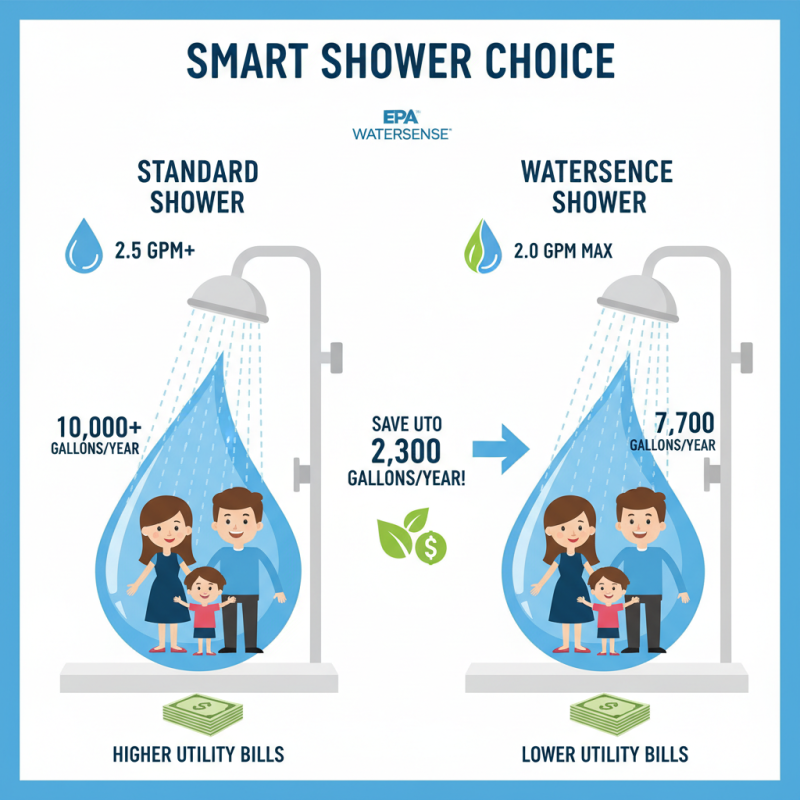
When selecting a shower head for your bathroom, understanding water efficiency and flow rates is crucial in making an environmentally friendly and cost-effective choice. According to the U.S. Environmental Protection Agency (EPA), shower heads account for nearly 17% of residential indoor water use. By opting for water-efficient models, homeowners can significantly reduce their water consumption. The EPA's WaterSense program recommends shower heads that use 2.0 gallons per minute (GPM) or less, which can save an average family up to 2,300 gallons of water per year. This not only benefits the environment but can also lead to lower water bills.
Flow rates, typically measured in GPM, play a vital role in determining the performance of a shower head. While standard flow rates range from 2.5 GPM to 2.0 GPM for conventional models, newer, high-efficiency alternatives may deliver a satisfying experience at lower rates, sometimes as low as 1.5 GPM. A study by the American Society of Plumbing Engineers (ASPE) indicates that reducing flow rates without sacrificing water pressure can improve user satisfaction. This balance is essential for maximizing comfort while minimizing resource use. Ultimately, making informed choices about flow rates and water efficiency can greatly enhance both your bathroom experience and your home's sustainability.
Installation Tips and Best Practices for Shower Head Replacement
When considering a shower head replacement, proper installation is crucial for optimizing performance and ensuring longevity. According to a 2021 report by the Showerhead Manufacturers Association, improper installation can result in reduced water efficiency and increased flow rates, directly impacting water bills and environmental sustainability. Homeowners are encouraged to follow best practices, such as using Teflon tape on threaded connections to prevent leaks and incorporating a level to assure even mount alignment. These steps not only enhance the aesthetic appeal but also ensure optimal functionality.
In addition to installation techniques, selecting the right tools can significantly ease the replacement process. A simple adjustable wrench, a pair of pliers, and a screwdriver are typically sufficient for most installations. Data from the Home Improvement Research Institute indicates that homeowners can save up to 30% on water usage by selecting a low-flow shower head, paired with proper installation methods. Taking the time to follow these expert tips can lead to significant improvements in both performance and efficiency, transforming an ordinary bathroom experience into a refreshing retreat.
Ultimate Guide to Choosing the Best Bathroom Shower Head for Your Home
| Shower Head Type |
Water Flow Rate (GPM) |
Material |
Features |
Installation Difficulty |
| Rainfall |
2.5 |
ABS Plastic |
Large coverage, Adjustable height |
Easy |
| Handheld |
2.0 |
Stainless Steel |
Multiple spray settings, Flexible hose |
Moderate |
| Fixed |
2.5 |
Chrome Plated |
Elegant design, Easy maintenance |
Easy |
| Dual Shower Head |
2.5 |
Bronze |
Simultaneous flow, Two different modes |
Difficult |
Maintenance and Care for Longevity of Your Shower Head
To ensure the longevity and optimal performance of your shower head, regular maintenance is essential. Start by periodically cleaning the shower head to remove mineral deposits and buildup. A simple way to do this is by soaking it in a mixture of vinegar and water for about an hour. After soaking, use a toothbrush to scrub the nozzles gently, ensuring that they remain unclogged. This routine will help maintain a steady water flow and keep your shower experience refreshing.
In addition to regular cleaning, it's also important to check for leaks or any signs of wear and tear. Inspecting the connections and seals can prevent water wastage and reduce the risk of water damage in your bathroom. If you detect any issues, replacing washers or tightening fittings can often resolve them. Lastly, consider the water pressure; using a pressure regulator can help protect your shower head from excessive wear, prolonging its lifespan and ensuring consistent shower performance.