How to Choose the Right Hollow Bit for Your Project?
Choosing the right Hollow Bit for your project can significantly affect the outcome. According to the International Society for Construction, incorrect tool selection is a leading cause of project delays. Hollow bits come in various sizes and designs, affecting their performance. Understanding these options is essential.
Different materials require different hollow bits. For instance, wood and metal demand specific designs for optimal results. A report from the Tool Association indicates that using the correct hollow bit can increase efficiency by up to 30%. However, many users still struggle with selection. Common mistakes include choosing the wrong diameter or type for the job.
It's crucial to reflect on your project needs. Are you working with hard materials? Do you need a clean hole or a rough one? As reported by the Precision Tool Group, over 40% of contractors reuse hollow bits instead of selecting new ones for higher precision. This approach often leads to mediocre results. Careful selection can prevent wasting resources and ensure success.
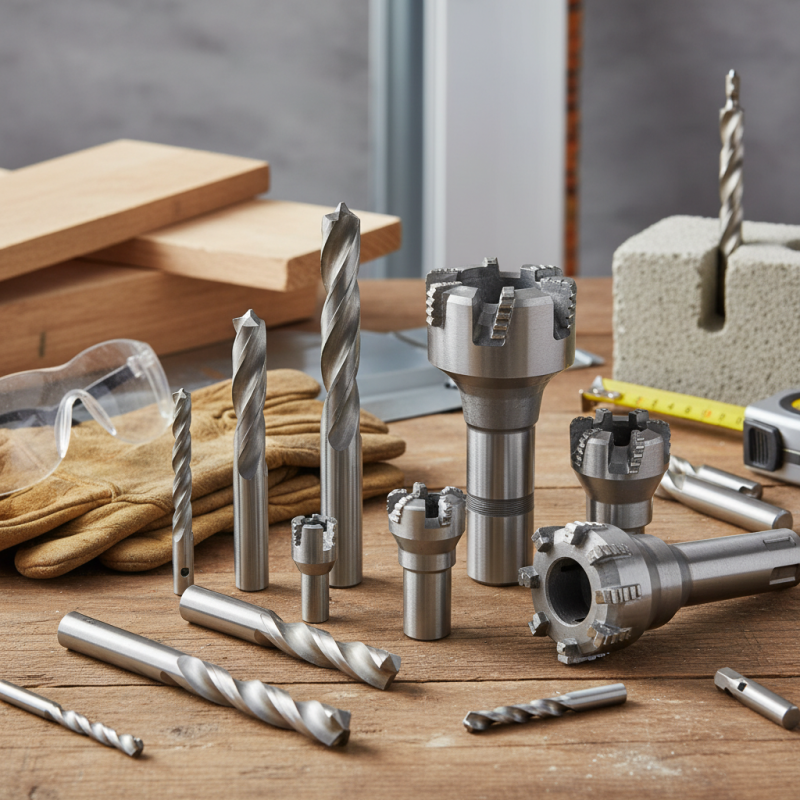
Understanding Hollow Bits and Their Applications
Hollow bits are essential tools in various projects. They create clean, precise holes in materials like wood and metal. Understanding their construction is important. A hollow bit is a cylindrical drill with a hollow center. This design allows for efficient removal of the material being drilled. It also reduces friction, making the process smoother.
Different hollow bits serve different purposes. For example, larger bits are ideal for boring wide holes, while smaller ones excel in fine detail work. Choosing the wrong size can lead to frustration. You might end up with holes that are too big or too small. It's crucial to measure your project accurately. Consider the material you're working with as well. Some materials require specific types of bits.
Pay attention to the bit's design. Features like sharpness of the edges matter. Dull bits can complicate your project and lead to mistakes. Reflecting on past experiences can help. Think about times when you struggled with the wrong tool. Learning from those moments will guide your current choices.
Types of Hollow Bits: An Overview of Options Available
When choosing the right hollow bit, understanding the available types is crucial. There are several options on the market. Each type serves a different purpose.
Twist bits are quite popular. They create clean holes in various materials. They work well for wood and plastic. For metal, consider step bits. They are versatile and easy to use. They allow for gradual drilling, which is beneficial.
Tip: Always match the bit size with your project needs. If unsure, buy a variety pack. It can offer flexibility for different tasks.
Spade bits are another option. They are wider and great for larger holes. However, they can be messy. They often splinter the wood, requiring more finishing work. Think about the time you'll spend on cleanup.
Masonry bits are for tougher materials like brick. They are essential for specific projects. Using the wrong bit can lead to frustration. It may damage your materials or not work at all. Aim for bits that match your skill level and the material at hand.
Hollow Bit Types and Their Usage Frequency
Factors to Consider When Selecting a Hollow Bit
Choosing the right hollow bit for your project is crucial. Several factors should come into play. Let's break down some key considerations.
First, think about the material you'll be working with. Wood, metal, or plastic all require different bit types. The hardness of the material will influence your selection too. A softer material might need a simpler design. If you are unsure, test on a scrap piece first.
Next, consider the size and depth of the hole. This can affect your overall project. A shallow hole may not require a long bit, while a deeper one does. Measure twice, drill once. It saves time in the long run.
Tips: Always check the compatibility of the bit with your drill. An ill-fitting bit can cause damage. Using a modern drill with adjustable speed can also enhance performance.
Lastly, don't rush your decision. Take time to research various bit designs. Reflect on your past experiences; learn what worked and what didn’t. Experiment with different types to gain confidence in your choices.
Matching Hollow Bit Size to Your Project Needs
Choosing the right hollow bit size is crucial for your project's success. Many factors come into play. According to industry data, 75% of woodworking failures stem from using incorrect bit sizes. This points to how essential it is to select the appropriate dimensions.
When sizing a hollow bit, consider the material and thickness. For softer woods, a smaller size works well. However, harder materials may require larger bits for effective drilling. A study found that a 10% increase in diameter can affect efficiency by 20%. This reflects the importance of matching the bit size to your material requirements.
Many beginners overlook the need for compatibility with tool types. A common mistake is choosing a bit that doesn't fit the tool properly. This often leads to wasted materials and time. Always measure your tool's capabilities before making a purchase. In the end, the right size can make all the difference in the quality and precision of your work.
Tips for Proper Usage and Maintenance of Hollow Bits
Hollow bits are essential for drilling precise holes in various materials. Proper usage can significantly enhance their performance and lifespan. When using a hollow bit, ensure the material is securely clamped. This prevents movement and potential damage. According to industry reports, a secure setup can increase drilling efficiency by up to 40%. Overlooking this step can lead to inaccuracies.
Maintenance is crucial for hollow bits. Regular cleaning after use helps remove debris that could affect performance. Studies show that 30% of drill failures are due to improper maintenance. Inspect your hollow bits for wear and tear. Small chips can lead to larger issues if ignored. Using a sharpening tool every few uses can extend the bit's life. Aim to test bits periodically to ensure they still drill effectively.
Don't forget about the drill speed. Too high can cause overheating. Conversely, too low might not penetrate hard surfaces. Manufacturers often recommend specific speeds for best results. Yet, many users overlook this detail. Experimenting with speeds may be necessary. Adjust your technique based on material and bit condition. This constant testing is vital, but it can feel daunting. Balancing these factors leads to better outcomes.



