



How to Choose the Best Head Shower for Your Bathroom Upgrade?
Upgrading your bathroom is a significant investment. One key feature to consider is the Head Shower. According to a recent industry report, 68% of homeowners prioritize upgrading their shower systems during renovations. A high-quality Head Shower can transform your bathing experience. It not only enhances comfort but also improves water efficiency.
When choosing a Head Shower, think about the design and functionality. With numerous styles and features available, it can be overwhelming. Reports show that sleek, modern designs are gaining popularity, yet some consumers still opt for traditional models. This discrepancy highlights the importance of personal preference in decision-making.
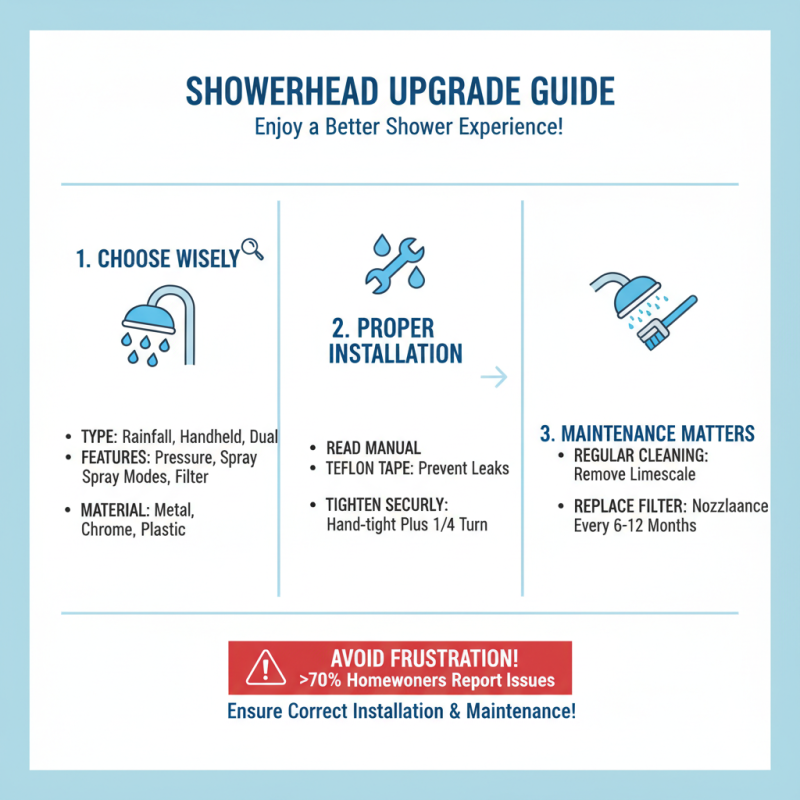
Another consideration is installation. Some Head Showers require professional help, while others allow DIY installation. Many buyers regret not measuring their shower space accurately, leading to mismatched fittings. A little planning goes a long way in avoiding potential headaches. As you embark on this upgrade journey, reflect on what aspects matter most to you. Select a Head Shower that aligns with your bathing habits and aesthetic desires for a fulfilling renovation experience.
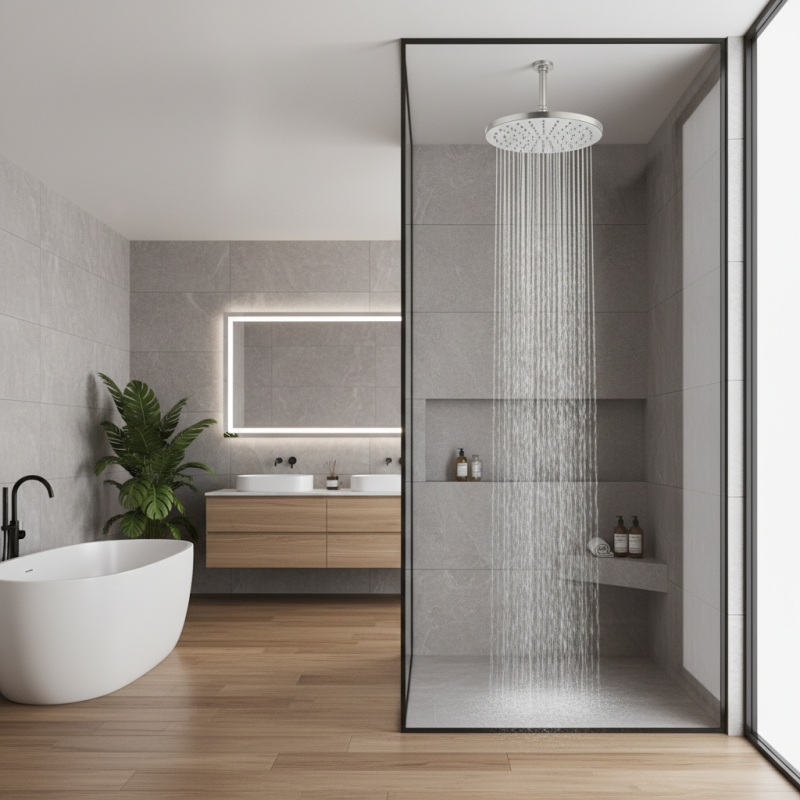
Understanding Different Types of Showerheads: A Comprehensive Guide
When upgrading your bathroom, selecting the right showerhead is crucial. The variety available can be overwhelming. According to a recent report by the Home Improvement Research Institute, nearly 70% of homeowners prioritize showerhead selection during renovations. Understanding the types is essential for making an informed decision.
There are several styles of showerheads. Rainfall showerheads provide a gentle, overhead flow. This style mimics natural rain, creating a soothing experience. In contrast, handheld showerheads offer versatility. You can use them for specific needs, such as rinsing or bathing children. A study found that nearly 55% of people prefer handheld options for convenience.
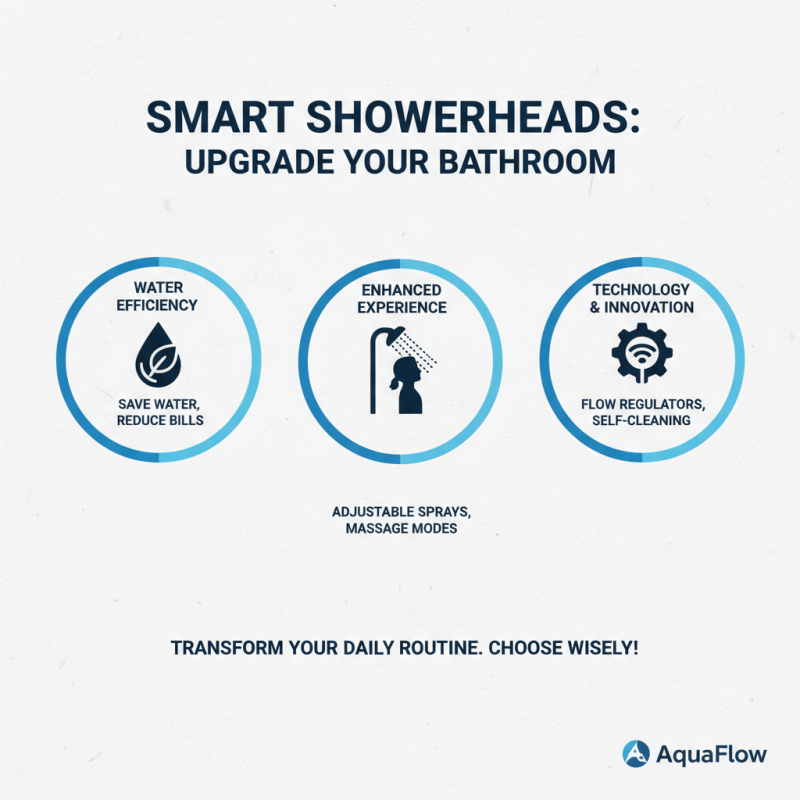
Don't overlook water efficiency. Many new models utilize smart technology. These models reduce water usage while maintaining pressure. The EPA states that efficient showerheads can save an average of 2,300 gallons of water per year per household. Consider your water supply and home plumbing too; not all systems accommodate every type of showerhead without modification. It’s easy to choose based on appearance alone, but function and efficiency should be top priorities.
How to Choose the Best Head Shower for Your Bathroom Upgrade?
| Type of Showerhead | Features | Price Range | Pros | Cons |
|---|---|---|---|---|
| Fixed Showerhead | Simple installation, various spray patterns | $30 - $150 | Affordable, reliable | Limited adjustability |
| Handheld Showerhead | Flexible, easy to direct water | $20 - $200 | Versatile, great for kids and pets | Can be less powerful |
| Rain Showerhead | Large surface area, simulates rainfall | $50 - $300 | Luxurious feel, great coverage | Higher installation height needed |
| Thermostatic Showerhead | Temperature control, energy-efficient | $100 - $400 | Consistent water temperature | More complex installation |
Related Posts
-

Discover the Best S S Shower Head Models of 2025 for Ultimate Shower Experience
-
China Manufacturing Thrives Amidst Rising Tariffs on Best Bathroom Shower Head Products
-
The Complete Guide to Choosing the Best Instant Shower Head for Your Needs
-
Navigating Import Export Certifications for the Best Stainless Steel Shower Head for Global Buyers
-

Discovering Trends and Innovations in Instant Shower Head Technology at the 138th Canton Fair 2025
-
How to Choose the Best Shower Head for Your Water Pressure and Bathroom Design