10 Best Water Saving Shower Heads to Reduce Water Bills and Save Energy
In today's world, the need for water conservation has never been more pressing. With increasing water scarcity and rising utility bills, homeowners are seeking effective solutions to reduce their environmental footprint while also saving on costs. One such solution that has gained immense popularity is the Water Saving Shower Head. Industry expert Dr. Emily Thompson, a renowned environmental engineer, once stated, “Switching to a water-saving shower head not only conserves water but also reduces energy consumption, helping homeowners save more and protect our planet.”
Incorporating a Water Saving Shower Head into your bathroom can significantly decrease the amount of water used during showers, which account for a substantial percentage of household water usage. This modification not only benefits the environment but also contributes to lower energy bills, as less hot water requires less energy to heat. With years of research supporting the effectiveness of these fixtures, it is clear that they present a simple yet powerful way of fostering sustainable living.
As we explore the top 10 best water saving shower heads available, it’s essential to consider their unique features, efficiency ratings, and the potential savings they can offer. Making informed choices in our daily lives can lead to impactful changes, enhancing both our personal budgets and the health of our planet.
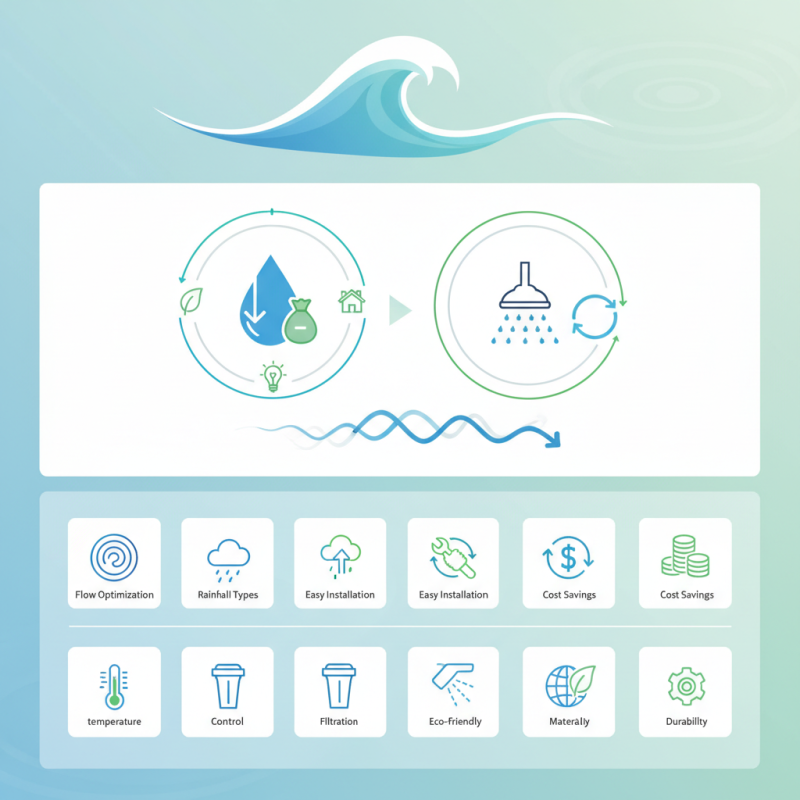
Benefits of Installing Water Saving Shower Heads
Installing water-saving shower heads can bring numerous benefits that go beyond just reducing water bills. One of the most significant advantages is the conservation of energy. When you use less hot water, your energy consumption decreases, thereby lowering your utility costs. This is particularly beneficial in households where multiple family members take showers daily. By opting for a more efficient shower head, you can drastically decrease your carbon footprint, contributing to environmental sustainability.
Additionally, water-saving shower heads often provide a more enjoyable shower experience than traditional fixtures. Many modern designs incorporate technology that maintains strong water pressure while minimizing flow. This means you can enjoy a refreshing shower without guilt over excessive water use. Installing these fixtures is also an easy upgrade that requires little to no plumbing skills, making it an accessible option for most homeowners.
Tips for maximizing the benefits of your water-saving shower head include setting a timer for your showers to encourage shorter bathing times. Additionally, consider using a water flow restrictor to complement your new shower head for even greater conservation. Regular maintenance and cleaning of the shower head will ensure it continues to perform efficiently, maximizing both water and energy savings over time.
10 Best Water Saving Shower Heads to Reduce Water Bills and Save Energy
| Shower Head Type |
Water Flow Rate (GPM) |
Material |
Spray Settings |
Estimated Annual Water Savings (Gallons) |
Energy Savings (%) |
| Handheld |
1.8 |
Plastic |
4 |
2,000 |
20% |
| Fixed |
1.5 |
Metal |
3 |
2,400 |
25% |
| Rainfall |
2.0 |
Plastic |
2 |
1,800 |
18% |
| Water Sense Certified |
1.75 |
Metal |
5 |
2,200 |
22% |
| Multi-Function |
1.6 |
Plastic |
6 |
2,500 |
27% |
Criteria for Selecting the Best Water Saving Shower Heads
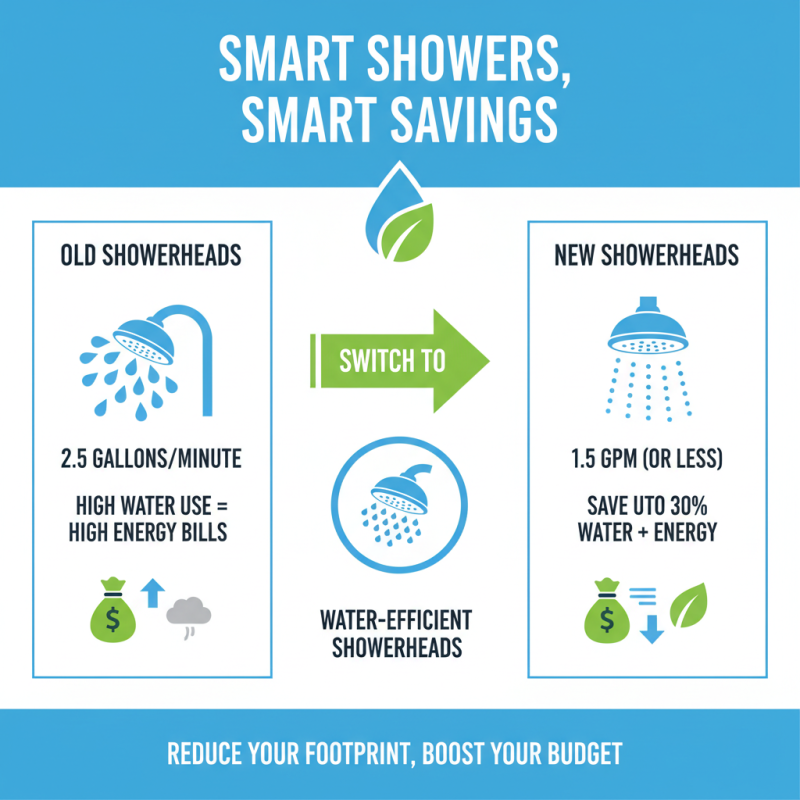
When selecting the best water-saving shower heads, several criteria must be considered to ensure optimal performance while conserving water and energy. The primary focus should be on the flow rate and water efficiency. According to the U.S. Environmental Protection Agency (EPA), shower heads that flow at 2.5 gallons per minute (GPM) or less are considered water-efficient. Choosing models that comply with these standards can lead to substantial water savings; the EPA estimates that replacing older shower heads with water-saving models can save a family up to 2,900 gallons of water annually, significantly reducing water bills.
Another important criterion is the water pressure compatibility. A good water-saving shower head should maintain a strong and satisfying water pressure despite its lower flow rate. Many modern designs incorporate innovative technology, such as pressure compensation mechanisms, to deliver a satisfying shower experience without sacrificing water conservation. Reports from the Plumbing Manufacturers International show that an increasing number of consumers prioritize efficient water usage without compromising comfort, further driving demand for shower heads that blend functionality with sustainability. Evaluating user reviews and expert recommendations can also provide insights into how well a particular model performs under real-world conditions.
Top 10 Water Saving Shower Heads for Homes
In an era where conservation is vital, selecting the right shower head can significantly reduce both water consumption and energy costs. According to the Environmental Protection Agency (EPA), traditional shower heads use approximately 2.5 gallons of water per minute. However, modern water-saving shower heads are designed to use only 1.5 to 2.0 gallons per minute without sacrificing pressure or performance, making them a smart choice for homeowners looking to minimize their environmental footprint.
Research indicates that replacing a conventional shower head with a high-efficiency model can save the average family about 2,900 gallons of water annually, translating to a significant reduction in water bills. Additionally, the U.S. Department of Energy reports that saving water can lead to energy savings as well, since energy is consumed in heating water. Thus, using water-saving shower heads not only conserves a precious resource but also cuts down utility costs, making them an eco-friendly investment for households aiming to embrace sustainable living. By prioritizing water efficiency, homeowners play a crucial role in fostering a more sustainable future.
Energy Savings and Environmental Impact of Water Efficient Showers
Water-efficient showerheads play a crucial role in reducing overall water consumption, thereby generating significant energy savings and reducing environmental impact. Traditional showerheads can consume as much as 2.5 gallons per minute, leading to higher water bills and increased energy costs from heating large volumes of water. By switching to water-saving models, consumers can decrease their daily usage without sacrificing water pressure or comfort. This can lead to a substantial reduction in both water and energy bills, making these fixtures a smart financial investment in addition to their ecological benefits.
Investing in energy-efficient showerheads supports environmental sustainability by conserving vital water resources. Reducing water usage lessens the demand on municipal water systems and helps preserve natural ecosystems that are often disrupted by excessive water extraction. Moreover, lower energy consumption translates to a decreased carbon footprint, as heating water typically requires significant energy use, often derived from fossil fuels. Therefore, adopting water-efficient showerheads not only promotes economic savings for households but also contributes to broader environmental health by fostering a culture of conservation and responsible resource management.
Installation Tips and Maintenance for Optimal Performance
When it comes to optimizing the performance of water-saving shower heads, proper installation and regular maintenance are crucial. According to a report by the Alliance for Water Efficiency, shower heads account for nearly 17% of indoor water use in the average household. Thus, ensuring that they are functioning efficiently can lead to significant water and energy savings. During installation, it’s essential to check the water pressure and select the appropriate flow rate setting to maximize the benefits. Following guidelines provided by the U.S. Environmental Protection Agency, a flow rate of 2.0 gallons per minute (GPM) or less is recommended for water-efficient models.
Regular maintenance further enhances the efficiency of water-saving shower heads. Mineral build-up can diminish water flow over time, reducing their overall effectiveness. It is advisable to periodically clean the shower head with a vinegar solution to dissolve any deposits. A study by the American Water Works Association highlights that households can save an average of 2,900 gallons of water per year by simply maintaining their shower heads properly. Additionally, using a lint-free cloth to wipe the exterior can prevent corrosion and prolong the life of the fixture, ensuring optimal performance for years to come.