What is the Best Cast Iron Casserole for Every Cooking Style?
cast iron casserole dishes have become essential kitchen tools for a variety of cooking styles. A recent industry report by the Home Cook's Institute found that over 75% of home chefs prefer cast iron for its heat retention and versatility. Chefs like James Peterson emphasize this point, stating, “A cast iron casserole can elevate any dish with its unique ability to manage heat.”
However, not all cast iron casseroles are created equal. Consumers often face choices that can be overwhelming. Various brands offer different features, from enamel coating to ergonomic handles. Each of these elements impacts cooking performance and ease of use.
For those new to cooking, the path to finding the best cast iron casserole can be filled with uncertainty. Some may struggle to determine which size or style best suits their needs. There is no one-size-fits-all answer. Personal preferences in cooking style can lead to different conclusions. Therefore, understanding the unique characteristics of each casserole type is vital for making an informed choice.
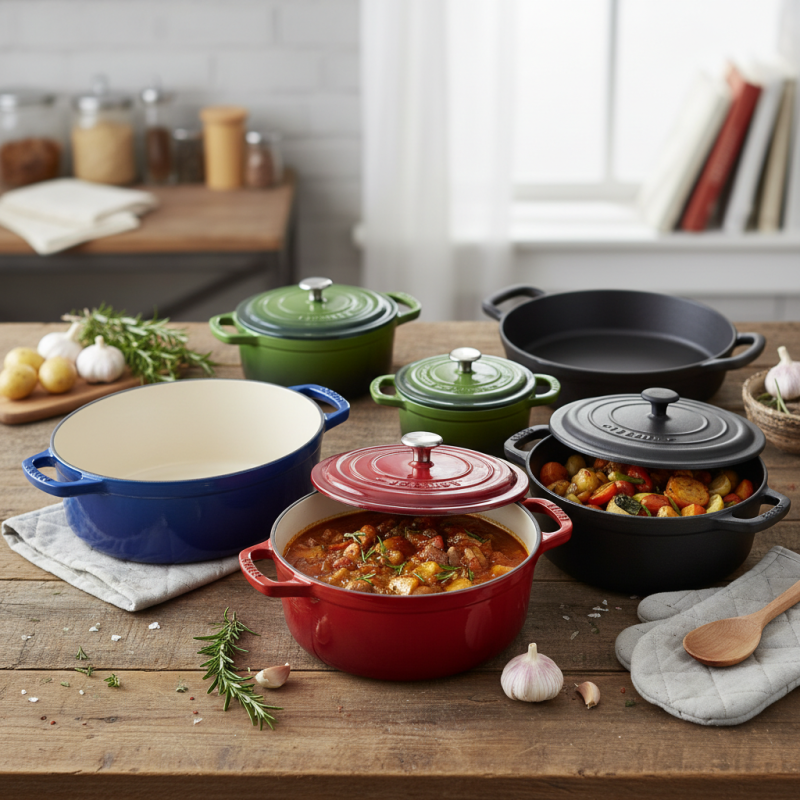
What to Look for in a Cast Iron Casserole: Key Features Explained
When choosing a cast iron casserole, consider key features that greatly affect performance. Look for a heavy, thick base. This ensures even heat distribution, preventing any hot or cold spots. Smooth enamel surfaces can make cleaning much easier. The best casseroles allow you to sear, bake, and simmer all in one dish.
Size matters too. A larger casserole suits family meals, while a smaller one is great for side dishes. Also, consider the lid. A tight-fitting lid traps moisture effectively. Some designs offer self-basting lids, which encourage flavorful cooking. Remember, a well-sealed casserole enhances the overall taste of your dish.
Weight is another factor to ponder. A heavier casserole is often sturdier but may be challenging to handle. It might take some time to get used to lifting it out of the oven. Keep in mind that not all casseroles season the same way. If cooking is your passion, invest time in learning your casserole's quirks. Each piece has its characteristics. Experimentation leads to discovery, and refining your technique with each meal is rewarding.
The Best Cast Iron Casseroles for Slow Cooking: Top Picks and Benefits
When it comes to slow cooking, cast iron casseroles stand out for their heat retention and even cooking. A study from the American Culinary Federation indicates that these casseroles can enhance flavor development. They also provide excellent heat distribution, crucial for tenderizing meats and simmering stews. Whether you are making a hearty beef bourguignon or a vegetable ratatouille, the right casserole can make all the difference.
Choosing the best cast iron casserole for slow cooking depends on your needs. A wide, shallow design allows for better surface area, promoting caramelization. On the other hand, deep casseroles retain moisture, beneficial for longer cooking times. Research has shown that optimal cooking temperatures for slow-cooked meals range between 190°F to 210°F. Ensuring your casserole can handle these temperatures safely is vital.
However, not all cast iron casseroles are created equal. The weight can be a downside, making handling tricky. Additionally, maintenance is necessary, as cast iron requires seasoning to prevent rust. This can be an extra step that some may overlook. But, when cared for properly, these casseroles last a lifetime. Investing in a quality piece can be worthwhile if you cherish flavor and texture in your meals.
High-Temperature Cooking: Ideal Cast Iron Casseroles for Roasting
When exploring high-temperature cooking, cast iron casseroles are superb. These heavy-duty pots retain heat well, making them perfect for roasting. They achieve excellent browning, enhancing the flavors of meats and vegetables. With a well-seasoned surface, they can go from stovetop to oven seamlessly.
Tips for cooking success: Preheat your casserole before using it. This step helps in achieving a great sear. Also, consider using oils with high smoke points to prevent burning. Gentle reminders for yourself: watch the time while roasting. It's easy to lose track, leading to overcooked meals.
Experimenting with different recipes can be fun. Don’t hesitate to try new combinations of ingredients. Sometimes the results may surprise you, and not always in a good way. Embrace those moments; they are opportunities for growth in your cooking journey. Every dish teaches you something. Enjoy the process!
Versatile Casserole Options for Braising: A Comprehensive Review
When it comes to braising, selecting the right cast iron casserole can elevate your cooking experience. A well-designed casserole holds heat evenly, allowing flavors to develop beautifully. Look for pieces with a thick base; this ensures effective heat distribution. A tight-fitting lid is essential to retain moisture during cooking.
Tips: When choosing a casserole, consider your cooking style. If you prefer slow-cooked meals, opt for a deep dish. A shallower casserole may suit quicker recipes better. Also, think about the handle. A sturdy, heat-resistant handle is crucial for safe transfers.
Different shapes and sizes cater to various needs. A round casserole can fit perfectly on your stovetop, while an oval dish is ideal for roasting meats. It’s tempting to overspend on high-end varieties, but some affordable options perform remarkably well. Always read reviews, and don't be swayed by design alone.
Reflect on your cooking habits. Do you often make one-pot meals? Or do you lean towards elaborate dishes? Assess what works best for you. Remember, the right casserole enhances not just flavor but also the joy of cooking.
Maintaining Your Cast Iron Casserole: Tips for Longevity and Performance
Maintaining a cast iron casserole is essential for its longevity. Proper care can vastly improve its performance. A survey by the Cookware Manufacturers Association shows that over 65% of users neglect routine maintenance. This neglect leads to rust and decreased cooking efficiency.
To avoid these issues, clean your casserole immediately after use. Hot water and a soft sponge are usually enough. Avoid harsh soaps or abrasive sponges. Interestingly, 40% of users admit to using detergent, which can strip the seasoning. Regular seasoning helps create a natural non-stick surface, making cooking and cleaning easier.
Store your casserole in a dry place. Humidity can lead to rust. Many overlook the importance of this simple step. Oiling your casserole lightly before storing can protect it from moisture. According to industry data, proper storage techniques increase the lifespan of cast iron by nearly 20%.



