

In the textile industry, the treatment of fabrics is crucial for their quality and performance. desizing enzymes play a vital role in this process. Experts like Dr. Sarah Thompson, a leading figure in enzyme technology, emphasize, "Desizing enzymes are game-changers for fabric treatment." These enzymes effectively remove sizing agents from fabrics, enhancing their finish and feel.
desizing enzymes not only improve the fabric quality but also contribute to eco-friendly practices. They offer a biodegradable solution, minimizing chemical waste. Many manufacturers are now adopting these enzymes, realizing their long-term benefits. However, some still cling to traditional methods, facing challenges in adapting to new technologies.
Despite their advantages, the implementation of desizing enzymes requires careful consideration. Companies need to balance cost and efficiency. Additionally, understanding the right enzyme for specific fabrics can be complicated. This is an area that demands further exploration for optimal results.
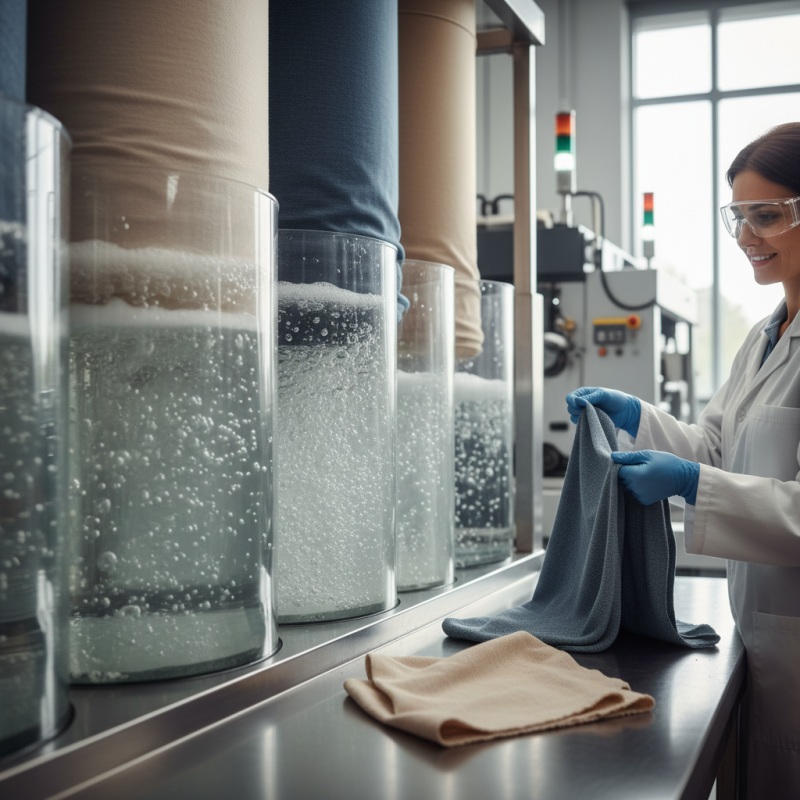
Desizing enzymes play a crucial role in the textile industry. They effectively remove sizing agents from fabrics. This process enhances the softness and drape of the final product. Using these enzymes can lead to smoother fabric surfaces, making them more appealing to consumers. Additionally, desizing enzymes can minimize water usage during treatment. Less water not only reduces costs but also benefits the environment.
Incorporating these enzymes into fabric treatment can be a game-changer. However, not all fabrics respond the same way. Sometimes, the results may vary, requiring more fine-tuning. This highlights the importance of conducting proper tests before large-scale application. While enzymes are generally effective, proper conditions must be maintained. Factors like temperature and pH can influence the desizing process significantly.
Moreover, manufacturers should consider the complexity of enzyme formulation. An incorrect choice might lead to unsatisfactory results. It can be frustrating to deal with unexpected outcomes. Continuous research and adjustment are necessary for optimal performance. This underscores a fundamental truth in textile processing: perfection often lies in the details.
Desizing enzymes play a crucial role in the fabric treatment process. They primarily help in removing starch and other size materials from woven fabrics. The most commonly used desizing enzymes are amylases, which specifically target starch. They break down starch molecules into simpler sugars, making it easier to wash away residues. This process can enhance the fabric's softness and improve its overall quality.
Another important type of desizing enzyme is cellulase. This enzyme targets cellulose, making it especially useful for cotton fabrics. It helps to eliminate unwanted cellulose buildup, resulting in improved dye uptake and a smoother surface. This is significant when creating vibrant textiles with rich colors. However, the effectiveness of these enzymes can vary based on the fabric type and the conditions used during treatment. Factors like temperature and pH can influence how well they perform.
While desizing enzymes offer many benefits, their application is not always perfect. Inconsistent results can occur, sometimes leading to fabric damage or incomplete desizing. Moreover, the cost of enzyme treatments may pose a concern for smaller manufacturers. It is essential to weigh the benefits against potential challenges in the desizing process.
Desizing enzymes have become essential in textile processing. These enzymes break down the starches used in sizing, making fabric preparation more efficient. Reports indicate that using desizing enzymes can lead to a 30% reduction in water consumption during the processing stage. This is crucial given the industry's ongoing efforts to minimize its environmental footprint.
The advantages are not limited to sustainability. Enzymes speed up the desizing process significantly. Fabrics treated with these enzymes often exhibit improved dye uptake and color consistency. According to the Textile Research Journal, enzyme treatment can enhance dye fixation by up to 25%. However, inconsistencies in enzyme activity may arise depending on temperature and pH levels. This variability requires careful monitoring during processing.
Cost-effectiveness is another important benefit. While enzyme solutions may have a higher initial cost, the long-term savings can be substantial. Improved fabric quality leads to higher customer satisfaction and fewer returns. Research suggests that manufacturers can save up to 15% on overall production costs by adopting enzyme technology. However, companies must continually assess whether the benefits outweigh potential issues, such as enzyme stability and efficiency in different fabric types.
Enzyme-based fabric treatments offer notable environmental advantages. These treatments often use natural enzymes that are biodegradable. Unlike harsh chemicals, they reduce water pollution. Traditional methods can release harmful substances into waterways. Enzymes break down fibers gently, saving water and energy.
The reduction in energy use is significant. Enzyme processes operate effectively at lower temperatures. This means factories consume less energy, reducing their carbon footprint. Using enzymes also diminishes the reliance on synthetic chemicals. The textile industry often grapples with pollution issues. Enzymes present a cleaner alternative.
However, there are challenges. The production of enzymes still involves resources and energy. Not all enzymes are created equal; sourcing can impact sustainability. Further research is needed to optimize production processes. The shift to enzyme-based treatments should focus on ensuring minimal environmental impact. Balancing effectiveness and sustainability remains a work in progress.
The economic impact of desizing enzymes in the textile industry is significant. These enzymes, used in fabric treatment, help in reducing water and energy consumption during the desizing process. According to a recent report by the International Textile Manufacturers Federation, enzymes can cut processing time by up to 30%. This efficiency translates to lower operational costs for manufacturers.
Furthermore, using desizing enzymes leads to less chemical waste. A study indicated that companies utilizing enzyme technology reduced their chemical usage by approximately 20%. This reduction not only helps the environment but also lowers disposal costs. Sustainable practices are increasingly important in today’s market. Consumers are more aware and often favor brands committed to environmentally friendly methods.
However, the transition to enzyme technology may require upfront investment. Smaller manufacturers may find the initial costs challenging. There might also be a learning curve in adapting to new processes. Balancing immediate financial pressures with long-term benefits can be tricky but is necessary for future growth and sustainability in the textile sector.
| Benefit | Description | Economic Impact | Sustainability Factor |
|---|---|---|---|
| Increased Efficiency | Enhances removal of sizing agents quickly with minimal waste. | Reduction in processing time and costs. | Promotes less resource consumption. |
| Improved Fabric Quality | Ensures softer fabric with better dye uptake. | Higher quality products can command better prices. | Supports eco-friendly dyes and finishes. |
| Water Savings | Lowers water consumption during processing. | Saves costs related to water usage and treatment. | Reduces environmental impact. |
| Energy Efficiency | Requires lower temperatures for processing. | Decreases energy costs significantly. | Supports energy conservation practices. |
| Reduced Chemical Usage | Limiting harmful chemical treatments. | Lowers purchasing costs for chemicals. | Enhances safety and environmental compatibility. |
| Flexibility in Fabric Types | Effective on various fabric blends without damage. | Broadens product range for manufacturers. | Facilitates the use of diverse sustainable fibers. |
| Enhanced Market Competitiveness | Superior products lead to increased market share. | Potential revenue growth from improved sales. | Promotes consumer preference for eco-friendly products. |
| Cost-Effectiveness | Minimizes overall expenses in fabric processing. | Increases profitability through reduced operational costs. | Aligns with sustainable business practices. |
| Traceability and Transparency | Easier to trace supply chain impacts. | Builds consumer trust and brand loyalty. | Supports claims of sustainability in marketing. |
| Regulatory Compliance | Meets environmental regulations effectively. | Reduces risks of fines and sanctions. | Encourages responsible resource use. |