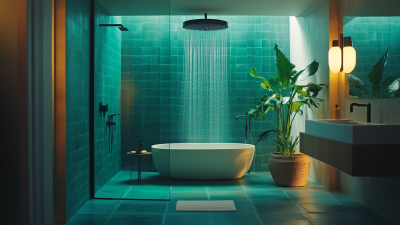
2025 Top Head Shower Buying Guide Tips for the Best Shower Experience
As consumers increasingly prioritize home comfort and wellness, the demand for the best shower experiences has surged, making the selection of the right Top Head Shower more critical than ever. According to a recent industry report by the Home Improvement Research Institute, the global shower head market is projected to reach $1.8 billion by 2025, driven by innovations in water efficiency and user experience. The Top Head Shower segment, in particular, is gaining traction among homeowners seeking to create a spa-like atmosphere in their bathrooms.
Industry expert Dr. Emily Fischer, a renowned plumbing and bathroom design consultant, emphasizes the importance of choosing the right shower system: "The right Top Head Shower can transform a mundane routine into an invigorating retreat, enhancing both relaxation and hygiene." As we delve into this comprehensive buying guide, we'll explore the essential features, performance metrics, and aesthetic considerations to ensure that your next Top Head Shower not only meets your functional needs but also enriches your daily rituals.

Understanding Different Types of Shower Heads for Home Use
When considering a shower head for your home, understanding the various types available is crucial for enhancing your daily shower experience. The two main categories are fixed shower heads and handheld models. Fixed shower heads, mounted on the wall, offer a consistent stream of water and are often designed for optimal coverage. According to the American Society of Plumbing Engineers (ASPE), these fixtures can improve water pressure by up to 25% compared to older models, providing a more invigorating shower.
Handheld shower heads, on the other hand, offer versatility and ease of use, allowing users to direct water where needed. This flexibility is especially beneficial for households with children or pets. A study by the National Association of Home Builders (NAHB) found that 62% of homeowners prefer handheld shower heads for their functional design.
**Tips:** When selecting a shower head, consider features such as water efficiency and spray patterns. Look for models that have the EPA WaterSense label, which can save you up to 30% on water usage without sacrificing performance. Additionally, opt for adjustable settings to cater to different preferences, ensuring that each family member can enjoy their ideal shower experience.
Key Features to Consider When Selecting a Top Head Shower
When selecting a top head shower, several key features significantly enhance the shower experience. One of the most critical factors is the flow rate, typically measured in gallons per minute (GPM).
According to the EPA's WaterSense program, a standard showerhead should ideally use no more than 2.0 GPM to balance water conservation with a satisfying flow.
Models exceeding this flow rate can lead to higher water bills and are less eco-friendly. Additionally, adjustable spray patterns are essential for tailoring the shower to personal preferences, allowing users to switch between a gentle rain and a more invigorating massage.
Another vital element to consider is the showerhead material and finish. High-quality materials such as stainless steel or brass not only resist corrosion but also guarantee longevity, with many industry reports highlighting that durable finishes can last up to 20 years without significant wear.
Furthermore, easy installation and compatibility with existing plumbing can save time and money; a study from the National Association of Home Builders indicates that DIY installation of showerheads remains a popular choice, with over 60% of homeowners opting for self-installation to avoid additional labor costs.
Taking these features into account ensures a top head shower that not only meets aesthetic desires but also provides practicality and efficiency.
Evaluating Water Pressure and Flow Rate for Optimal Shower Experience
When selecting the right shower head for your bathroom, understanding water pressure and flow rate is crucial to achieving an optimal shower experience. The water pressure in your home is determined by various factors, including the municipal supply, plumbing configuration, and any existing restrictions like clogs or corrosion. A shower head with insufficient pressure may result in a lackluster shower, leading to frustration during daily routines. Therefore, it is essential to measure your water pressure beforehand, ideally aiming for between 40 and 60 psi for the best performance.
Flow rate, measured in gallons per minute (GPM), also plays a significant role in how enjoyable your shower will be. Traditional shower heads typically have a flow rate of 2.5 GPM, while newer, water-saving models can offer as little as 1.5 GPM without sacrificing performance. When prioritizing water efficiency, consider models that maintain a strong water delivery even with lower flow rates. This not only enhances the showering experience by providing a more powerful stream but also contributes to water conservation efforts. By evaluating both water pressure and flow rate, you can make an informed decision that ensures every shower is refreshing and invigorating.
Budgeting for Your Shower Head Purchase: Cost vs. Quality
When it comes to purchasing a new shower head, balancing cost and quality is essential for optimizing your shower experience. According to the 2023 Shower Fixture Market Report, the average price range for high-quality shower heads falls between $50 to $200. It is important to remember that cheaper options, while initially appealing, often compromise on durability and performance. A shower head that costs under $50 may save you money upfront but could lead to higher water bills due to inefficient water usage, costing you more in the long run.
Investing in a quality shower head not only enhances your personal comfort but can also contribute to significant savings. Research from the Environmental Protection Agency indicates that efficient shower heads can reduce water usage by up to 40%. This not only results in lower utility bills but also benefits the environment. By spending a bit more on a high-quality and water-efficient model, you can ensure a superior shower experience while making a smart financial decision. As you weigh your options, consider the long-term value that a well-made shower head can provide compared to the initial cost savings of cheaper alternatives.
2025 Top Head Shower Buying Guide: Cost vs. Quality
Maintenance Tips to Extend the Lifespan of Your Shower Head
Maintaining your shower head is essential for ensuring a consistent and enjoyable shower experience. According to a report by the National Association of Home Builders, a well-maintained shower head can last anywhere from 10 to 15 years, depending on water quality and usage. Regular cleaning is crucial; buildup from hard water can lead to reduced water flow, making your showers less enjoyable. A simple mixture of vinegar and water can help dissolve these mineral deposits. It's recommended to soak the shower head in this solution for at least 30 minutes once every few months to keep it functioning optimally.
In addition to regular cleaning, checking for leaks and replacing worn-out parts can significantly extend your shower head's lifespan. The Environmental Protection Agency estimates that fixing leaks in the average home can save homeowners about 10,000 gallons of water each year. Utilizing a low-flow shower head can also enhance efficiency without sacrificing performance, potentially decreasing your water bill by 25% to 60%. By investing time in maintenance, not only can you enhance your shower experience, but you can also contribute to water conservation efforts and reduce household expenses.